Kids' bags: a guide by age
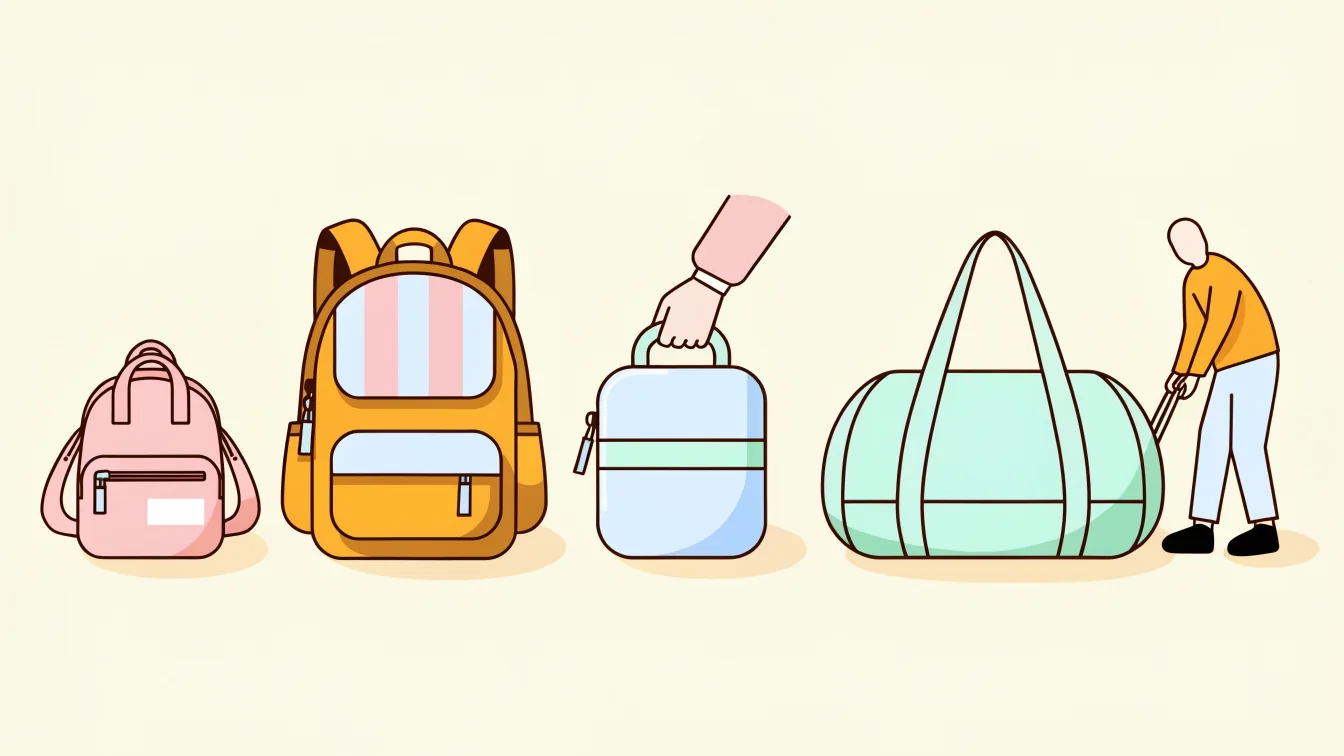
Kids' bags work best when they fit the child, carry today's essentials, and stay easy to open and clean. Work out the actual load before you choose the design. School, travel, sports and lunch bags solve different problems, and a larger bag is not automatically a better one.
Kids' bags by age: start with the job
A preschooler carrying a snack and sweater needs a different bag from a student moving books, a computer and sports clothing. Age gives a useful starting point, but the bag must fit the child and hold the actual gear.
The ranges below are practical shopping starting points, not pediatric or manufacturer standards. They are not a promise that a given size fits everyone.
| Stage | Starting capacity to try | Typical contents | Main fit check | Common mistake |
|---|---|---|---|---|
| Toddler, accompanied outing | 2–6 L | Small toy, spare layer | No loose straps; caregiver handles necessities | Treating a toy pack as a full daycare bag |
| Preschool and kindergarten | 6–12 L | Snack, spare clothes, small folder | Child can close and lift it | Buying a giant school bag for growth |
| Early elementary | 12–18 L | Folders, lunch, bottle | Folder fits flat; bottom rests at the lower back | Forgetting bottle and lunch volume |
| Upper elementary | 16–22 L | Books, folders, device | Load stays manageable | Carrying unused materials daily |
| Middle and high school | 18–28 L, sometimes more | Binders, laptop, PE gear | Device sleeve and comfortable fit | Choosing by laptop diagonal alone |
| Youth day hike | Smallest pack that holds water, a layer and food | Water, layer, food | Harness and torso length match | Using an adult pack with straps that cannot shorten enough |
For young children, verify the school's folder, notebook or lunch-box dimensions before selecting liters. A slim 14-liter bag may fit a folder better than a rounded 16-liter bag. Capacity is the volume inside a bag, not an assurance that rigid items fit.
Kids' bags marketed for a grade level still need a real fit check. Check shoulder width, strap adjustment, back-panel length and whether the child can reach the zipper without help. Let the child pick the design, but only from bags that pass the fit check.
School backpacks: get the weight and fit right
The AAP recommends wide padded straps, a padded back, useful compartments and, where appropriate, a chest or waist strap. Those details are a practical checklist, not a guarantee against discomfort. A padded pack can still carry too much weight.
Apply the AAP's 15% limit to the loaded bag, not the empty one. A 60-pound child's ceiling is 9 pounds; a 90-pound child's is 13.5 pounds. Those are ceilings, not daily targets.
Try the bag with a realistic load. Have the child put on both straps, tighten them evenly, and walk across the room.
The pack should sit close to the back, with its bottom in the curve of the lower back, without forcing a forward lean. If a book's corner pokes the back, move it behind padding or use another compartment.
Pack the heaviest books or laptop nearest the spine and balance smaller items on both sides. The AAP advises cleaning out unneeded supplies weekly. Ask the school about lockers, class sets of books and rolling-bag rules if carrying the load remains difficult.
A persistent complaint of back or shoulder pain deserves a discussion with a pediatrician. Do not solve pain by adding a larger backpack.
Lunch bags and water bottles
A lunch bag needs to fit the actual food containers, not just a sandwich in a marketing photograph. Measure the tallest bottle, the widest lunch container and the available space inside the child's backpack. A lunch bag that expands into the main school compartment can crowd out books.
| Lunch-bag design | Useful for | Main drawback | What to check |
|---|---|---|---|
| Flat insulated sleeve | Slim containers, tight school bags | Little room for ice packs | Interior thickness |
| Box-shaped insulated lunch bag | Stacked containers and ice packs | Bulkier inside backpack | Interior height and closure |
| Tote-style lunch bag | Hand carrying and easy access | Can swing while walking | Strap length and upright stability |
| Separate bottle sling | Short outings without books | Not a substitute for lunch storage | Bottle diameter and secure closure |
Look for a wipeable lining, accessible zipper and a shape that can dry open. Check the maker's cleaning instructions before using a machine wash.
An insulated bag is not a refrigerator. For packed lunches, USDA advises at least two cold sources, such as two frozen gel packs no smaller than 5 × 3 inches each. Check that the lunch bag holds both packs beside the food.
A bottle pocket should hold a filled bottle without sagging. Elastic alone can stretch over time; compare pocket depth and the bottle's actual diameter. Teach the child to close the lid before packing it next to paper or electronics.
See kids' lunch bags and the lunch-bags hub for narrower choices.
Sports bags: separate dirty gear without overbuilding
Sports gear is a different load. Soccer needs a spot for cleats and maybe a ball, and dance needs clean clothes kept apart from shoes. Swimming adds wet gear that must not sit sealed in a closed pocket.
A dedicated sports duffel is useful when the child regularly carries bulky gear. For lighter sessions, a drawstring sack inside a normal backpack may be sufficient. Cord-style sacks are uncomfortable with heavy loads, and long cords can snag or tangle around younger children.
| Activity | Useful bag style | Key feature | Easy-to-miss issue |
|---|---|---|---|
| Soccer | Compact sports backpack or duffel | Separate cleat or ball area | Ball holder affects balance |
| Basketball | Backpack with external ball pocket | Ball retention | Bag is deep when pocket is loaded |
| Dance | Structured duffel or tote | Shoes apart from costume | Garment creases |
| Swim | Mesh sack plus dry compartment | Ventilation and drainage | Wet contents soaking books |
| Weekend class | Small lightweight duffel | Simple access | Carrying an empty oversized bag |
Sports bags should be easy to identify at pickup. Put a name label inside the bag rather than the child's full details on the outside. Check local team and facility storage rules when choosing size.
Explore soccer bags for kids and dance bags when the activity dictates more specific organization.
Travel bags for children
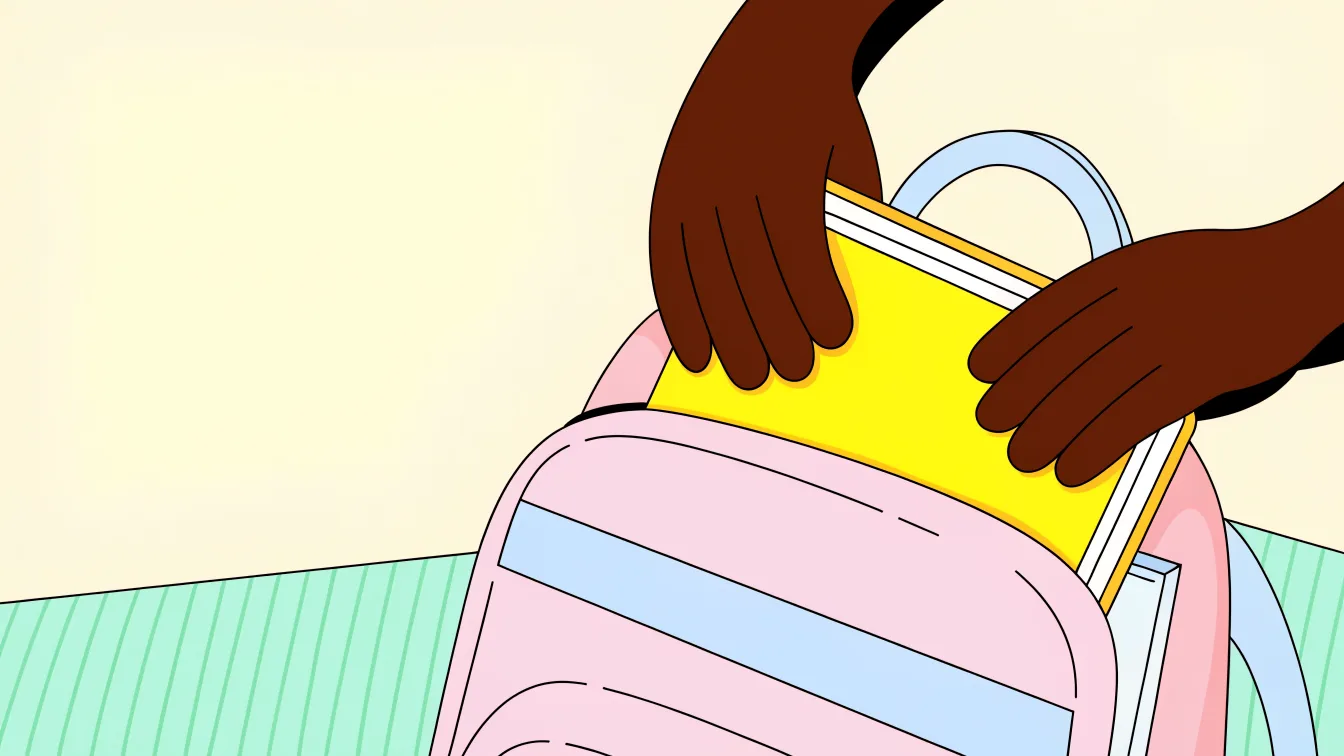
For car trips, a child-sized backpack can hold entertainment, a layer and snacks while an adult carries essential documents and medicine. On flights, the airline controls baggage allowances, not the product's description. Check the carrier's published rules for the itinerary before assuming a child's backpack qualifies as a personal item.
A wheeled case can be useful at the airport but frustrating on stairs, transit and cobblestones. A child who cannot pull it safely should not be expected to manage it alone. Keep a spare outfit reachable in an adult's bag if a connection or bag check changes the plan.
Put a contact card inside the child's bag and keep the full address off the outside. Tuck loose straps away near conveyor belts and escalators. The CPSC advises adults to hold children's hands on escalators.
A packing cube can make a shared family suitcase easier to organize than buying a separate full-size case for each child. For families, fewer bags usually beats one bag per child.
Materials and construction: what's worth checking
Polyester and nylon are the usual choices because they make light bags that dry fast; canvas looks different and dries slowly. A coating can make fabric shed splashes, but seams and zippers still let water in, so read the maker's exact claim.
| Feature | Why it matters | Check before purchase |
|---|---|---|
| Reinforced bottom | Contact with floor and pavement | Construction photos and seams |
| Two-way main zipper | Opens from either end | Child can operate both pulls |
| Padded straps | Spreads strap contact area | Adjustment range, not padding alone |
| Side bottle pocket | Keeps drink separate from notebooks | Pocket depth when bottle is full |
| Reflective detail | Helps drivers see the child in low light | Placement where headlights hit it |
| Inside identification label | Helps school staff return bags | Space for a contact name |
Inspect the stitch lines where straps meet the bag. A feature-rich pack is not useful if the child struggles with five compartments or complicated buckles. For a first school bag, clear organization usually beats extra pockets.
How to check a child's bag before buying
- Make an actual contents list. Include books, lunch, bottle, spare clothing and electronics, not aspirational extras.
- Measure the rigid items. A standard notebook or school-issued computer can decide the bag's required width.
- Try the harness. Adjust both straps with typical contents loaded. Check that the pack stays close to the back.
- Weigh the full setup. Compare the result with the AAP's 15% advice.
- Check access. Let the child reach the main zipper, lunch area and bottle without help.
- Inspect cords and details. Look for snag hazards, loose decorations, damaged zipper pulls or detached parts.
- Read care instructions. Make sure your cleaning routine matches the lining, coating and structure.
Do the fit check again during the school year. Growing children and changing schedules can turn a suitable bag into the wrong one.
Care and replacement
Empty crumbs and paper scraps regularly. Allow damp lunch liners and wet sports pouches to dry fully before closing the bag.
Clean spills promptly using the manufacturer's care instructions and mild methods permitted for the fabric. Machine washing can damage padding, coatings or structural panels when the maker does not approve it.
A missing zipper pull is different from a separating zipper chain. Some pulls can be replaced, while a damaged chain or ripped strap anchor needs a more substantial repair. Check warranties for defects before attempting a repair that might affect coverage.
Replace kids' bags when their fit becomes unsuitable or when straps, buckles or seams can no longer support the intended load. Cosmetic scuffs alone do not make a bag unusable.
FAQ
What size backpack should a 6-year-old use?
Start by measuring the child's folder, lunch container and torso. A 12–18-liter range can be a shopping starting point, not an age-based rule.
Have the child try the packed bag. A narrow, well-fitted model that carries school materials safely is better than a larger bag purchased for future growth.
How heavy should a school backpack be?
The American Academy of Pediatrics advises no more than 15% of the child's body weight, including the bag itself. Weigh the loaded backpack, remove unneeded items and use both straps. Ask a pediatrician about ongoing pain or difficulty carrying school materials.
Are rolling school backpacks better for children?
Rolling bags shift weight away from the shoulders while wheeling, but wheels add bulk and can be awkward on stairs or crowded hallways. Check the school's rules, route and storage space. A rolling model is not automatically easier if the child must frequently carry it.
Can a child carry a regular backpack for sports?
Yes, if the gear fits and the bag can be cleaned. Keep wet or dirty items in a separate removable pouch, then unpack promptly. Sports with bulky balls, protective gear or multiple pairs of shoes may justify a dedicated duffel or specialist backpack.
How often should I replace a kid's backpack?
There is no universal replacement interval. Recheck fit after growth spurts and when school gear changes.
Replace or repair the bag if weight-bearing straps, zipper seams or buckles fail. Routine cleaning and carrying fewer unnecessary items can extend useful life.
Related guides
- Best backpacks for preschool and kindergarten
- Best backpacks for elementary school
- Best backpacks for middle school
- Best backpacks for high school
- Best backpacks for girls
- Best backpacks for boys
- Best rolling backpacks for school
- Best lightweight school backpacks
- Best school backpacks with a laptop compartment
- Best budget school backpacks
- Best clear backpacks for school and stadium rules
- Best kids' lunch bags
- Best soccer bags for kids
- Best kids' hiking backpacks
- Best toddler backpacks
- What size backpack does your child need?
- Rolling backpack vs regular backpack
Sources
- healthychildren.org/English/safety-prevention/at-play/Pages/Backpack-Safety.aspx
- rei.com/learn/expert-advice/backpack.html
- cpsc.gov/Business--Manufacturing/Business-Education/Business-Guidance/Drawstrings-in-Ch…
- usda.gov/node/58553
- cpsc.gov/content/know-the-steps-to-safety-when-using-escalators-some-shoes-more-likely-…