Vegan leather types: PU, PVC and plant-based

The answer to "what is vegan leather" is a leather-like alternative made without animal-derived materials, rather than one particular substance. PU and PVC are different synthetic constructions. For a bag, compare the actual layers, animal-free assurance and care requirements before judging the label.
What is vegan leather made from?
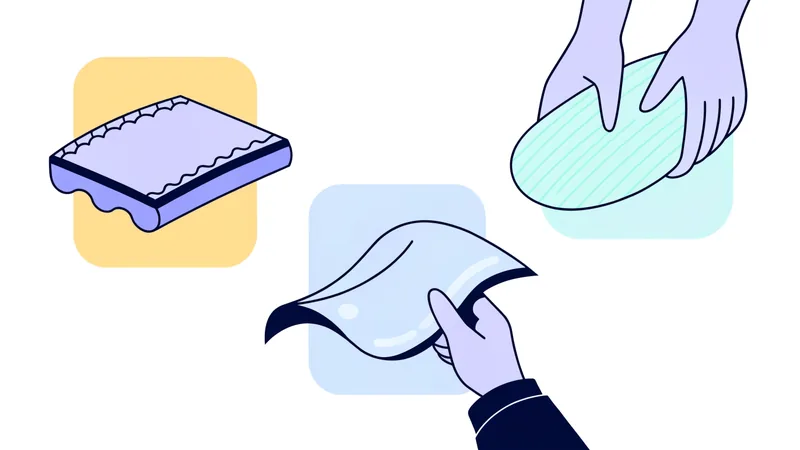
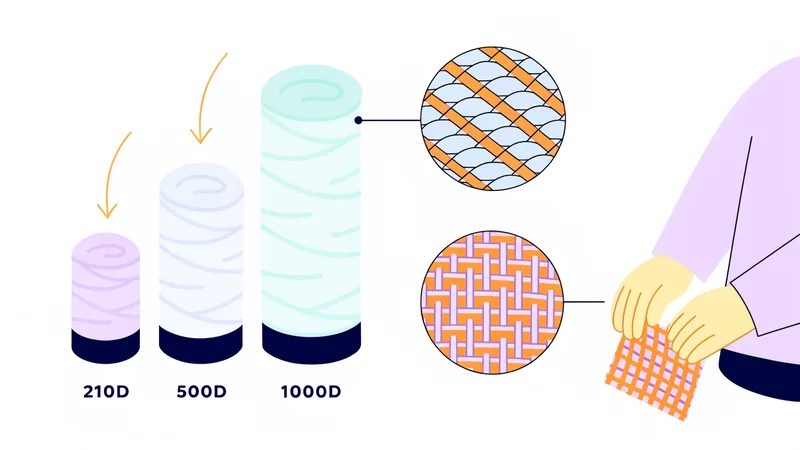
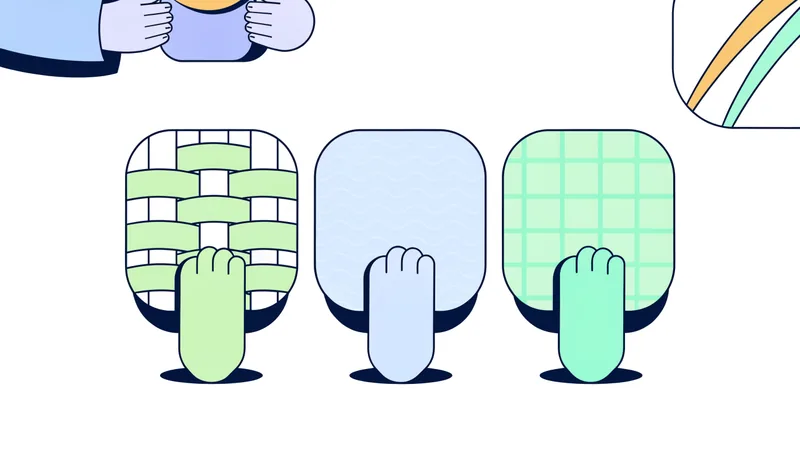
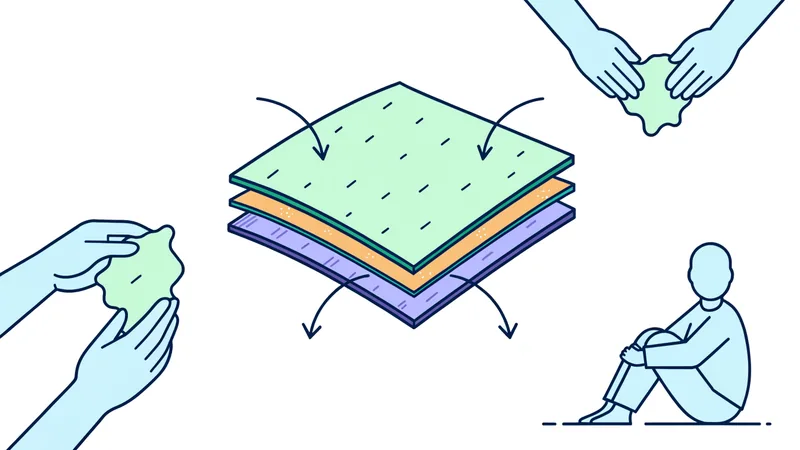
Start with the construction underneath the surface description. Kuraray distinguishes synthetic materials with PU or PVC surfaces and woven or nonwoven bases. Those layers provide a more useful description than a photograph of an embossed grain.
| Material description | What it identifies | What to establish next |
|---|---|---|
| PU-coated textile | A polyurethane surface over a textile base | Backing fiber, coating formulation and care instructions |
| PVC-coated textile | A polyvinyl chloride surface over a textile base | Full composition and finished-bag care |
| Microfiber-based alternative | A fine-fiber base; some constructions incorporate PU | Fiber identity and polymer content |
| Plant-fiber composite | Plant-derived material combined with other ingredients | Percentages for the complete finished sheet |
The microfiber category deserves particular attention. Kuraray describes CLARINO as a nonwoven microfiber structure impregnated with polyurethane. The word microfiber therefore does not, by itself, tell you that the material contains no polymer binder.
Keep animal-free status separate from the engineering description. Ask whether the claim covers the entire bag, including trim and lining, or only its main outer fabric.
For comparison with leather and woven textiles, use the bag materials guide.
Plant-based materials: read the whole composition
A plant name can identify one ingredient in a composite. Read the percentages before assuming the whole surface is made from leaves, fruit waste or another agricultural material.
For a concrete example, Ananas Anam's technical sheet lists Piñatex Original as follows.
| Component | Published share of the material | What the wording establishes |
|---|---|---|
| Pineapple leaf fiber | 72% | The named plant fiber is the largest component |
| Polylactic acid, or PLA | 18% | Another polymer is included |
| Bio PU | 5% | Bio-based polyurethane is part of the formulation |
| PU | 5% | Additional polyurethane is included |
These figures describe that material, not every pineapple-based alternative or every collection from its maker. Use the specific product name when comparing a bag's composition with a supplier's sheet.
The distinction between a base layer and the finished material matters too. The maker's FAQ describes a base containing pineapple fiber and PLA, followed by a coating.
As a shopping exercise, total the disclosed percentages and note whether they describe the base, coating or complete sheet. Request clarification when those scopes are mixed.
Durability depends on formulation and the test being reported
Avoid assigning every synthetic alternative the same lifespan. The Association for Contract Textiles explains that PU hydrolysis resistance varies with resin content and manufacturing.
Hydrolysis is chemical degradation associated with prolonged humidity and heat. The association describes cracking, flaking and delamination as possible signs of failure. Its discussion concerns coated upholstery fabrics; it does not establish a replacement interval for handbags.
That source also warns that hydrolysis test weeks do not directly translate into years of service. If a bag description turns a laboratory duration into a lifespan promise, request the evidence behind that conversion.
Read test endpoints carefully. The Piñatex Original sheet reports no specimen breakdown after 50,000 Martindale cycles, but moderate color change after 15,000 cycles. Those are different observations from the same test record.
For your comparison, distinguish surface appearance, coating adhesion, flexing and the bag's construction. Do not collapse every result into one durability score.
Inspect attachment points and seams separately using the bag quality guide. A material specification is useful evidence, but it cannot describe every component of the finished bag.
What the wording means when you shop
Use what is vegan leather as the beginning of a composition question. A useful listing identifies the outer surface, backing, lining and trim, plus instructions for the complete bag.
Ask for the exact scope of an animal-free statement. Vegan Action's standards exclude leather, suede, wool, silk and other animal-derived ingredients. Its criteria also address manufacturing inputs and animal testing.
If a certification appears, match it to the item rather than the company generally. Vegan Action explains that it certifies individual products. Record the product name and certification scheme alongside the composition.
Next, check the care label or maker's care page before choosing cleaners. The Piñatex technical sheet specifies wipe cleaning; that instruction belongs to those materials, rather than every animal-free alternative.
For a used bag, request photographs of folds, handle bases, edges and the lining. Ask for any known peeling, tackiness or prior cleaning treatment without assuming a cause from a photograph.
Compare the broader construction questions in real leather versus vegan leather handbags before narrowing your choice to a particular surface.
Environmental labels and three common myths
Animal-free, bio-based and recyclable answer different questions. USDA's BioPreferred FAQ explains that bio-based content can come from plant, animal or marine sources. A bio-based label alone therefore does not establish vegan status.
The same program says a higher bio-based percentage does not necessarily mean better performance or a smaller environmental impact. Avoid turning one composition attribute into a ranking of complete bags.
Three assumptions deserve care: plant-based does not automatically mean plastic-free; vegan status does not establish durability; renewable content does not establish compostability.
For environmental comparisons, seek evidence tied to the exact claim. FTC guidance discourages broad, unsupported environmental benefit claims. Its consumer advice also distinguishes material-source claims from disposal claims, including local recycling availability.
If end-of-life handling matters to you, request a named collection or disposal route for the finished item. Check whether that route accepts the bag's whole construction.
For the separate animal-hide process, leather tanning explained clarifies why vegetable-tanned leather remains an animal material. This environmental-label discussion is general information, not legal or financial advice.
FAQ
Is PU leather the same as PVC leather?
No. Kuraray distinguishes polyurethane and polyvinyl chloride surface layers. Both descriptions still leave questions about the backing, complete composition and finished bag. Compare those details alongside care instructions instead of treating the two abbreviations as interchangeable names for one material.
Does plant-based leather contain plastic?
It can. Ananas Anam describes pineapple-fiber material that also contains PLA and a polyurethane coating. Obtain the composition for the exact material used in the bag. A plant ingredient or a plant-derived percentage does not establish that the remaining components are plastic-free.
How long does a vegan leather bag last?
There is no useful single number for every construction. ACT notes that PU performance depends on formulation and manufacturing, and test weeks do not equal service years. Request material-specific evidence, then assess the bag's condition, construction and care history separately from its animal-free description.
Does bio-based certification prove a bag is vegan?
No. USDA explains that bio-based inputs can include animal and marine sources as well as plants. Look for a separate animal-free declaration or applicable product certification. Check which components the claim covers rather than assuming a bio-based percentage answers the animal-origin question.
Sources
- clarino.kuraray.com/en/leather
- vegan.org/certification
- ananas-anam.com/wp-content/uploads/2024/05/Pinatex-Collections-Technical-Data-Sheets.pdf
- ananas-anam.com/faqs
- contracttextiles.org/learn/hydrolysis-what-you-need-to-know
- biopreferred.gov/BioPreferred/faces/pages/FAQs.xhtml
- search.ftc.gov/business-guidance/resources/environmental-claims-summary-green-guides
- consumer.ftc.gov/articles/eco-friendly-and-green-marketing-claims
- vegan.org/certification/certification-process