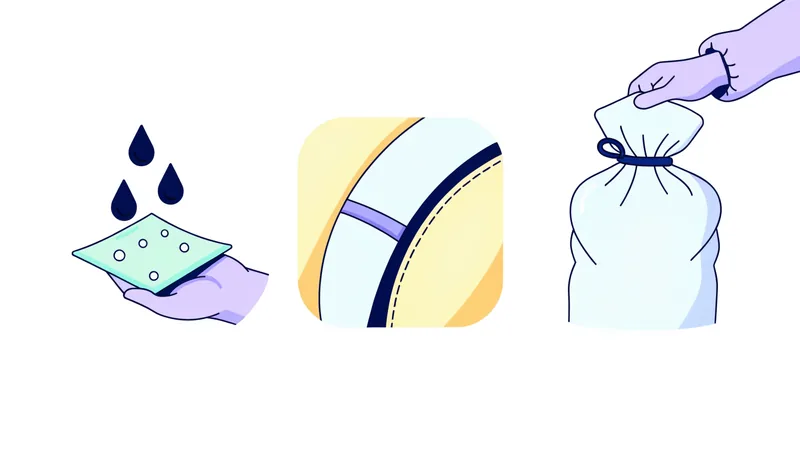
Suede and nubuck bags
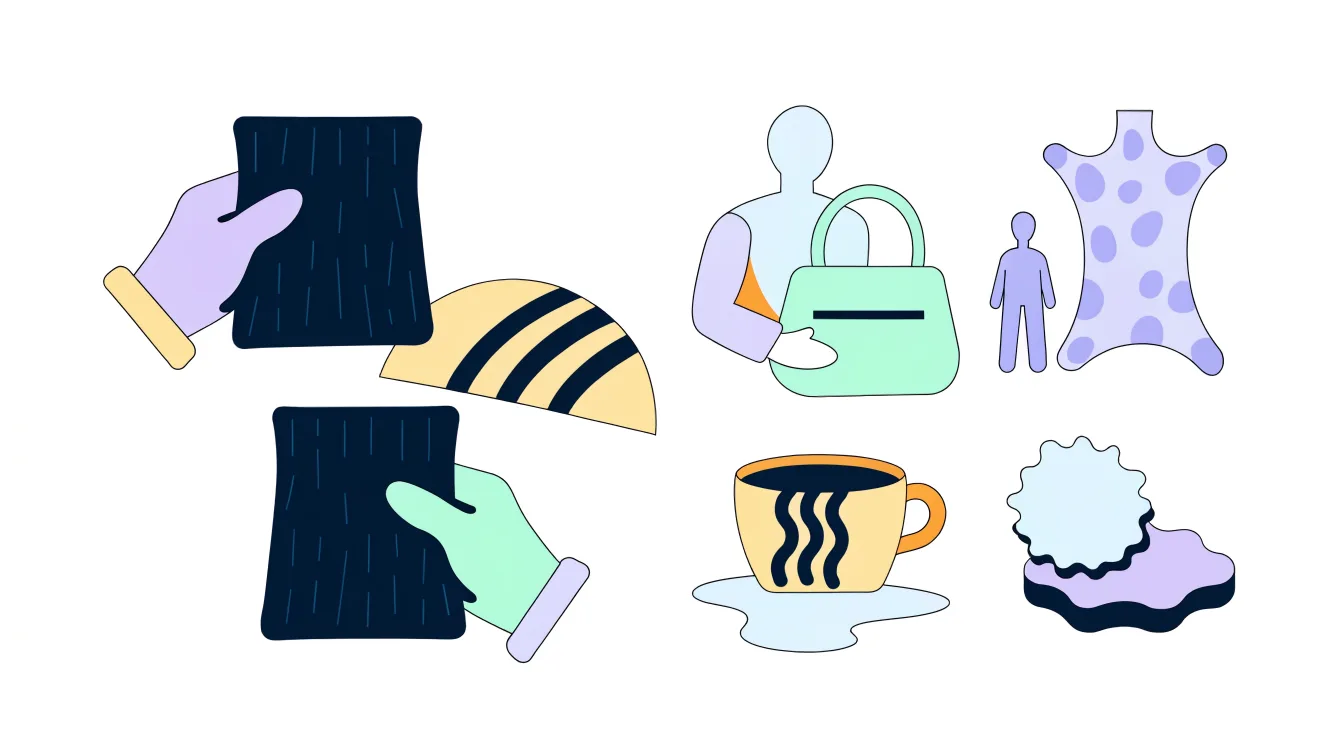
The suede vs nubuck difference is the surface: suede uses a flesh-side nap, while nubuck has a buffed outer surface. For a bag, choose by the particular leather's finish, construction and care requirements rather than softness alone.
Suede vs nubuck: which part of the hide becomes the surface?
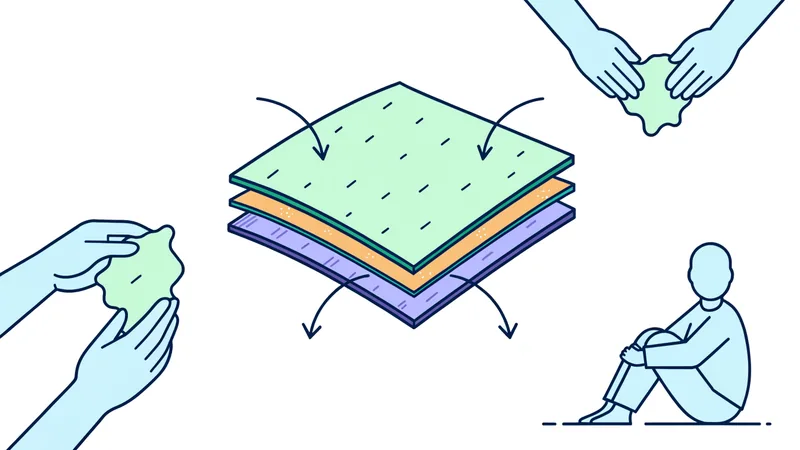
The easiest distinction is to imagine a cross section through the hide. Splitting can separate an upper grain layer from a lower layer. The upper layer can become nubuck; lower splits commonly become suede.
However, suede is a broader category than a single layer label. Leather Working Group's manufacturing overview describes traditional flesh-side suede as well as suede made from flesh splits.
| Feature | Suede | Nubuck | Shopping implication |
|---|---|---|---|
| Surface being raised | Flesh side, commonly a split | Grain side | Ask which leather construction is specified |
| Manufacturing treatment | Buffing raises exposed fibers | Fine buffing produces a velvety grain surface | Compare the actual surface, not just its name |
| Typical visual effect | Visible nap | Fine velvety surface | Request close photographs |
| Possible extra treatment | Water-repellent treatment | Water-repellent treatment | Read the particular finish description |
| Meaning of the label | Leather surface category | Leather surface category | Obtain care instructions separately |
These are manufacturing distinctions, not a durability ranking. Use them to decode the material description before deciding which bag suits your day.
For a broader comparison with woven and coated materials, start with the bag materials guide.
How the texture is made
Buffing is the operation that produces the raised surface. The manufacturing overview on finishing describes fine grain-side buffing for nubuck and heavier flesh-side buffing for suede.
The same overview identifies dyeing quality and buffing as important to the final appearance. For suede, surface fiber length is another feature of the finished leather.
That gives you something more useful to inspect than a vague claim of softness. Look across the main panels, around seams and along the flap edge. Compare photographs showing the material from more than one direction.
Nap can create a two-tone effect when stroked in opposite directions, as Leather Working Group's glossary explains. A change in apparent shade therefore needs interpretation before you label it a stain.
If evaluating a used bag, request close views of any suspect area with the fibers brushed in the same direction. Ask the seller to distinguish a texture change from a known spill.
Tanning remains a separate topic. Read leather tanning explained if the listing also mentions vegetable or chrome tanning.
Durability: separate structural strength from appearance
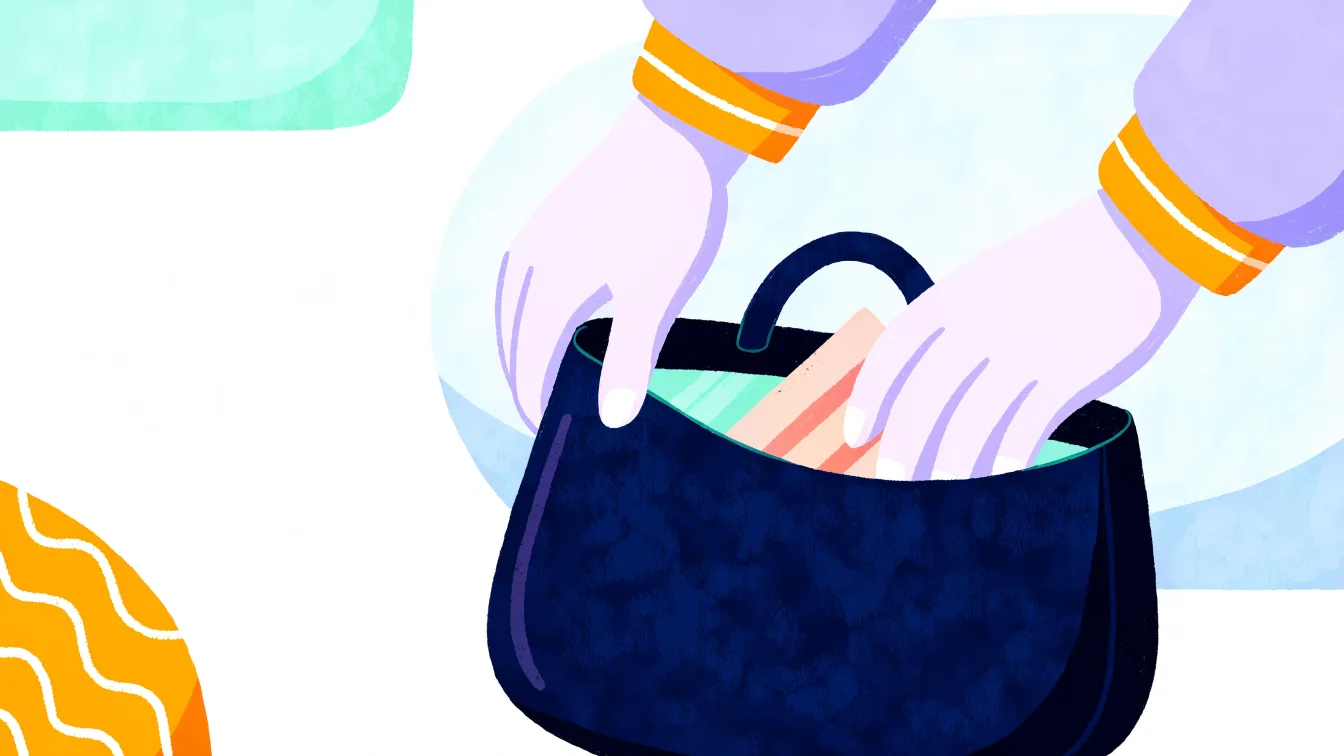
A bag can remain usable even when its surface no longer looks new. Decide which matters more to you: retaining a pristine appearance or accepting visible changes during use.
Tandy's material glossary describes nubuck as durable top-grain leather with a brushed surface. That description is useful, but it is not evidence that every nubuck bag outlasts every suede bag.
For a meaningful comparison, inspect the complete construction. Request views of handle attachments, bottom corners and seams. Look for damage descriptions rather than an unsupported lifetime claim.
For older bags, condition deserves particular attention. Canadian Conservation Institute guidance explains that formerly sturdy leather can weaken through wear, water damage and degradation. The guidance concerns heritage collections, making it especially relevant when considering fragile vintage pieces.
Do not ask the surface name to answer questions about a used bag's current strength. Treat the condition report as a separate part of your decision.
Our guide to judging bag quality provides a framework for looking beyond the material label at the bag itself.
Water and stains: a treatment is not a rain guarantee
Suede and nubuck may receive water-repellent agents during manufacture, according to the finishing overview. Ask whether the particular bag has such a treatment and what exposure its maker allows.
The exact leather matters. Townsend's suede care sheet describes exposed fibers that absorb liquid and recommends promptly blotting spills with a soft, white absorbent cloth. Those instructions concern its own suede, rather than every finished bag.
A bag-specific example reinforces the need for care instructions. Coach warns against water exposure for its suede and prolonged sunlight that may cause discoloration. Follow the instructions for your material instead of transferring a different product's treatment recipe.
For a daily walking commute, make weather exposure part of the decision before choosing the surface. If you expect regular rain, require a clear finished-bag specification that addresses it.
For a stain, identify the substance and the leather before attempting treatment. Avoid escalating through household remedies when the maker recommends professional care. A cautious decision now can spare an irreversible experiment later.
What to look for on a product page and care label
Read suede vs nubuck as a starting description. Then establish the animal material, which parts of the bag use it, any protective treatment and the approved care method.
For a mixed-material bag, keep separate instructions for the body, trim and lining. Do not assume a method approved for one component covers the others.
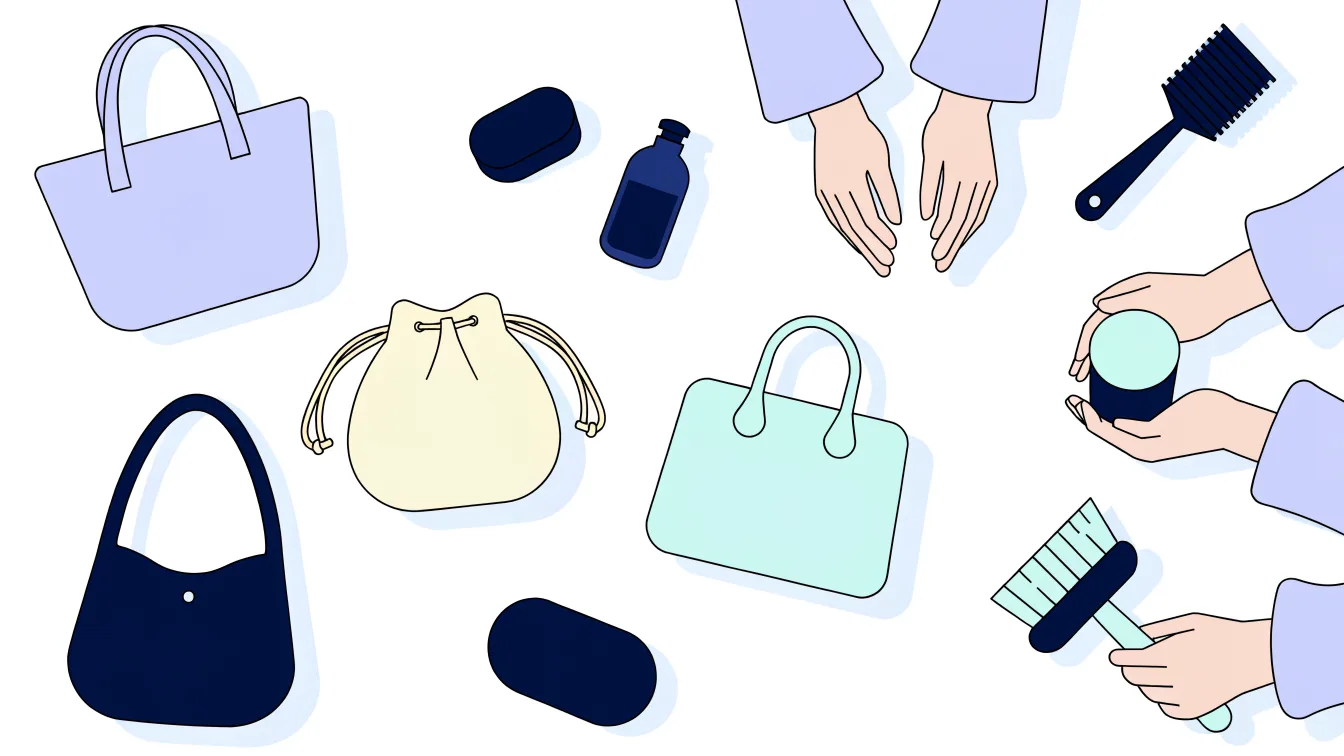
Check the care label or maker's care page first. Canadian Conservation Institute notes allow brushing sound suede but warn against powdered erasers because residue is difficult to remove. This is conservation guidance, not a universal cleaning recipe for modern bags.
For valuable, fragile or deteriorating pieces, seek a leather specialist or conservator rather than applying more force. The same institute advises professional consultation before substantial reshaping or repairs.
Storage deserves a plan too. CCI recommends support to prevent permanent deformation of three-dimensional leather objects. Avoid crushing a bag beneath other belongings.
For the cleaning process itself, use the dedicated suede and nubuck care guide. Keep this material choice separate from the treatment decision.
FAQ
Is nubuck real leather?
Yes, when used in its leather-industry sense. Leather Naturally defines nubuck as leather with a buffed upper surface. If a listing says nubuck-look or uses another appearance-based description, request its composition. A photograph of a velvety surface is not a substitute for a material declaration.
Is suede always split leather?
Split leather is a common basis for suede, but it is not the whole definition. The manufacturing overview describes flesh-side suede on upper leather and suede made from flesh splits. Ask for the actual construction when comparing materials instead of assuming every suede label describes an identical layer.
Why does my suede bag look lighter in one direction?
The nap can produce a two-tone effect as the fibers change direction, according to Leather Working Group's terminology. Inspect the area under consistent lighting before deciding it is damaged. A persistent mark or known spill still calls for the maker's material-specific care advice.
Can I use ordinary leather conditioner on suede?
Use it only if the bag's maker approves that exact treatment. CCI warns that leather dressings can darken surfaces and cause other problems in collection objects. Take that as a reason for caution, particularly with vintage pieces, rather than a reason to borrow a smooth-leather routine.
Which one should I choose for an everyday bag?
Choose the particular bag whose care requirements and condition fit your routine. Manufacturing guidance shows that buffing, dyeing and protective treatments vary. Compare those details alongside construction and your expected exposure to rain. Neither surface name, by itself, settles the everyday-use question.
Sources
- leathertruthfully.com/Education/Fact-Sheets/Guides/Leather-Terminology
- leatherworkinggroup.com/learn-more/features/74-essential-leather-industry-terms
- leatherworkinggroup.com/fileadmin/uploads/lwg/Making_Leather_-_Overview_Part_5.pdf
- leathertruthfully.com/Education/Fact-Sheets/Manufacturing/How-is-leather-made
- leatherworkinggroup.com/fileadmin/uploads/lwg/Making_Leather_-_Overview_Part_6.pdf
- tandyleather.com/pages/leather-education
- townsendleather.com/wp-content/uploads/2023/03/Townsend-Leather-Care-and-Cleaning-Guide…
- coach.com/support/product-care
- canada.ca/en/conservation-institute/services/conservation-preservation-publications/can…
- canada.ca/en/conservation-institute/services/preventive-conservation/guidelines-collect…