Tarpaulin, TPU and PVC bags

The TPU vs PVC distinction identifies different coating polymers: thermoplastic polyurethane and polyvinyl chloride. In bags, read those names alongside the textile base, seams and closure. A tarpaulin-style appearance does not supply the complete material specification or a finished-product waterproof rating.
TPU vs PVC: read the coating and textile together
The polymer is only part of a coated fabric. Identify the underlying textile and which surfaces carry the coating before comparing two bag descriptions.
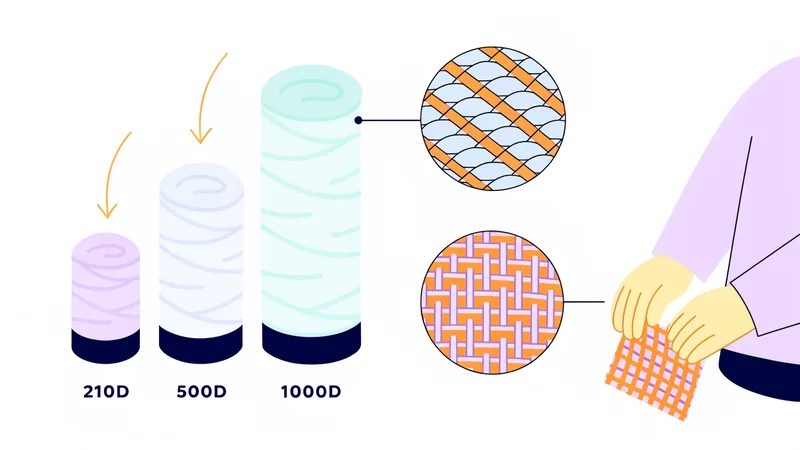
ORTLIEB describes polyester, nylon and other woven fabrics coated on one or both faces. A single-sided coating can leave one surface looking textile-like; coating both faces can create the familiar tarpaulin appearance.
| Label or feature | What it identifies | What it leaves unanswered |
|---|---|---|
| TPU | Thermoplastic polyurethane | Exact formulation, base cloth and finished weight |
| PVC | Polyvinyl chloride | Exact formulation, base cloth and care requirements |
| Coated on both faces | Location of the surface treatment | Seam construction and closure performance |
| Welded seams | A joining method | The complete product's exposure rating |
| Tarpaulin appearance | A visual description | The actual coating chemistry |
Do not identify the polymer by shine, thickness or a photograph alone. Request the composition rather than treating a smooth surface as proof of one coating type.
For the wider terms used in material descriptions, start with the bag materials guide. Keep the base fabric, coating and assembled construction in separate comparison fields.
Why welded seams matter alongside the coating
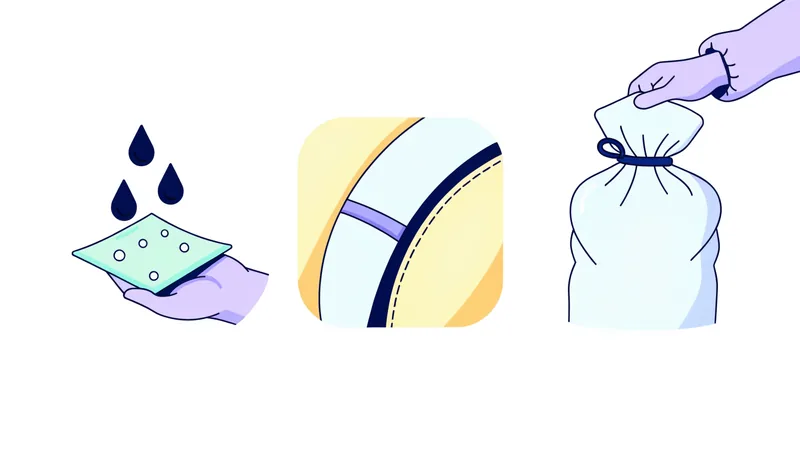
A water-resistant material description should be read alongside the method used to join its panels. ORTLIEB explains that high-frequency welding creates its watertight connections without adhesives.
Its welding explanation also describes three-dimensional welding for products such as panniers and dry bags. Those are details of its manufacturing system, rather than evidence that every coated bag has the same joins.
When evaluating a bag, look for a statement that covers the actual seams. If the listing only describes the cloth, request clarification about how the panels and attachments are assembled.
The closure needs separate attention too. The TIDURA explanation distinguishes material performance from a complete product's IP rating. It identifies the interaction of fabric, welding and closure as part of the finished result.
Use that distinction to frame a practical question: what exposure does this complete bag permit when correctly closed? Follow the maker's closure instructions rather than assuming every roll-top works identically.
The waterproof-bags guide provides a broader way to compare intended uses. Keep splashes, sustained rain and immersion as separate requirements when reading product claims.
Cold cracking and flexibility need material-specific evidence

Avoid treating either polymer name as a universal temperature rating. Lubrizol's technical explanation describes TPU with hard and soft segments whose proportions affect rigidity.
Published cold-test examples also show why the method belongs beside the number. The following specifications concern different materials and applications; they are not a head-to-head bag test.
| Published material | Stated cold result | Method and scope |
|---|---|---|
| Erez TPU 2051 | −58°F (−50°C) | DIN 53361 cold crack/bend; sheet lists boats and flexitanks |
| Spradling Silvertex vinyl | −10°F | CFFA-6a cold crack; coated upholstery material |
Neither result supplies a temperature limit for an unrelated bag. Different methods, substrates and intended applications prevent that shortcut.
If you expect freezing conditions, ask for the bag maker's stated operating guidance. Request the actual material grade and test basis when a description says cold-resistant without explanation.
Consider your planned handling too: carrying, opening and packing are the questions you need answered. A number copied from another industry's sheet cannot replace instructions for your particular product.
Surface care, odor and signs that need attention
Check the care label or maker's care page first. A wipe-clean appearance does not authorize every solvent, detergent or abrasive cleaning method.
For a specific example, ORTLIEB's TIDURA care guidance calls for warm water and a soft cloth, avoiding harsh cleaning agents. Use that as an example of a material-specific instruction, rather than a recipe for every coated textile.
If a new bag has a noticeable odor, ask the maker what is expected for that exact material. Establish what airing or cleaning method it permits. Do not use fragrance to substitute for identifying the issue.
Likewise, treat tackiness, lifting coating or visible cracking as condition questions. Photograph the affected area and contact the maker before experimenting with cleaners or a repair adhesive.
Keep cleaning instructions separate for the lining, straps and hardware. If several materials share the bag, request guidance for the complete assembly.
The DWR and PU coatings guide explains related finishing terms. For a used bag, record previous treatments and known repairs alongside its material description. Assess its present condition separately from the original specification.
What the labels mean when you shop
Use TPU vs PVC as one field in a wider comparison: base textile, coating location, seam method, closure, finished weight and care instructions. Choose the requirements before selecting the material name.
For a boat bag, request the finished product's permitted exposure. For a wipe-clean commuter bag, examine access and interior organization as well as the outer surface. For winter use, include material-specific temperature guidance.
Do not turn PVC-free into a complete environmental assessment. Read what replaces it, which components the statement covers and what evidence supports any additional environmental claim.
FTC consumer guidance distinguishes renewable-content, recycled-content and disposal claims. It also advises checking local recycling options rather than assuming every recyclable item is accepted nearby.
If end-of-life handling matters to you, request a named collection route for the assembled bag. A statement about a resin does not tell you where to take a coated textile with straps and hardware.
For construction comparisons with layered textiles, see technical bag fabrics. Keep evidence tied to the particular claim. This discussion of environmental labeling is general information, not legal or financial advice.

FAQ
Is tarpaulin always PVC?
Do not infer a coating from appearance alone. ORTLIEB explains that coating both sides of a textile creates the familiar tarpaulin look. Ask for the polymer and base-fabric specification. Then assess the bag's seams, closure and intended exposure separately from the look of its outer panels.
Is TPU always flexible in freezing weather?
A general polymer name does not provide a complete cold-weather specification. TPU formulations can be adjusted to change rigidity. Request the exact bag's operating guidance and any relevant material test. Do not transfer a result from a boat fabric or another application to an unidentified bag.
Are welded bags automatically suitable for submersion?
No conclusion about submersion should come from the seam description alone. The complete product's protection involves fabric, joins and closure. Read the bag maker's rating, permitted exposure and closing instructions. Ask specifically about immersion if that is part of your intended use.
Can a coated bag go into household recycling?
Check local acceptance and any maker collection scheme for the complete item. FTC guidance says a recyclable claim does not guarantee facilities in your area. Identify the bag's construction when asking. Do not assume a polymer abbreviation means the assembled bag belongs in a curbside bin.
Sources
- lubrizol.com/solutions/technologies/tpu
- clarino.kuraray.com/en/leather
- us.ortlieb.com/pages/waterproof
- us.ortlieb.com/pages/high-frequency-welding
- uk.ortlieb.com/pages/tidura
- media.lubrizol.com/-/media/Project/Lubrizol-Corporation/Lubrizol/Master-Site/Health/Doc…
- e2techtextiles.com/wp-content/uploads/2020/01/TPU-2051.pdf
- silvertex.spradling.group
- consumer.ftc.gov/articles/eco-friendly-and-green-marketing-claims