How to remove stains from a bag: ink, oil and makeup

To choose how to remove ink from a bag, identify the material and follow a stain-specific method approved for that finish. Do not start with a household solvent. Ink, oil, and makeup require separate decisions, and some stains need professional treatment.
Identify both the spill and the stained material
Read the bag's label, care card, and exact model page first. Record which part is stained: the outer panel, leather trim, lining, pocket, or strap. Do not treat the whole bag as one material.
Identify the spill as precisely as possible. Keep the pen or cosmetic packaging if available. Write down when it happened and which products have already touched the stain.
Tide distinguishes water-based and oil-based inks in its textile stain guidance. That distinction helps describe the problem, but its clothing recipe does not establish compatibility with a finished bag.
For mixed-material construction, use bag linings to understand which component you are inspecting. Keep lining care separate from the exterior instructions.
Ask a focused question when contacting the maker: does it approve a specific treatment for this stain on this material? Include photographs showing the mark and the surrounding panel.
General cleaning permission is not the same answer. Coach's stain exclusions illustrate why a routine cleaner may be inappropriate for ink or grease even within a brand's own range.
Choose a route by stain and material
Use the table to decide what information you need before treatment. It is a triage guide, not a universal chemical recipe. For suede, the separate suede-cleaning guide covers light dry marks.
| Stain | Washable textile with approved stain treatment | Finished smooth leather | Suede, nubuck, or unknown finish |
|---|---|---|---|
| Ink | Confirm both stain product and washing compatibility | Ask about a finish-specific ink treatment | Seek specialist assessment |
| Oil or grease | Follow an approved textile pretreatment | Ask about specialist degreasing | Seek advice before adding powder or liquid |
| Makeup | Identify the cosmetic and approved textile method | Follow stain-specific maker advice | Seek specialist assessment for persistent marks |
Leather UK explains that treatment depends on the leather type and stain. Its guidance distinguishes finished leather from aniline, suede, and nubuck rather than treating them identically.
For cosmetics on washable fabric, Tide describes removing excess material before an approved laundering treatment. Do not transfer its clothing instructions to leather or a fixed lining.
If you cannot identify a finish, keep the bag out of a general wash. Request an assessment before choosing a chemical.
What you need before any spot test

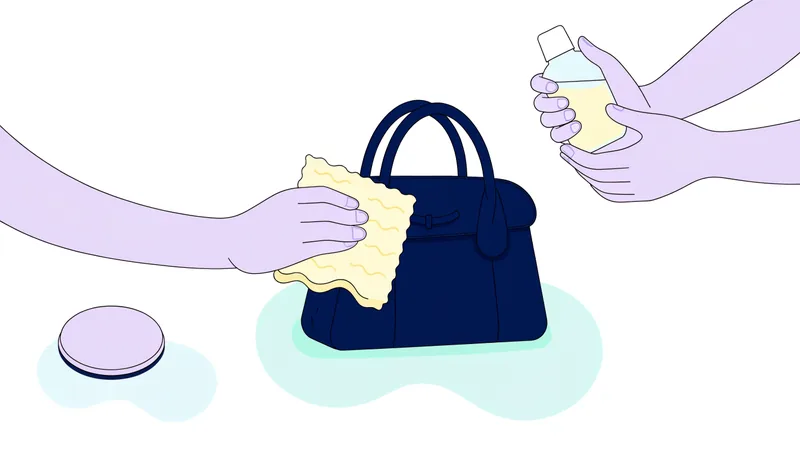
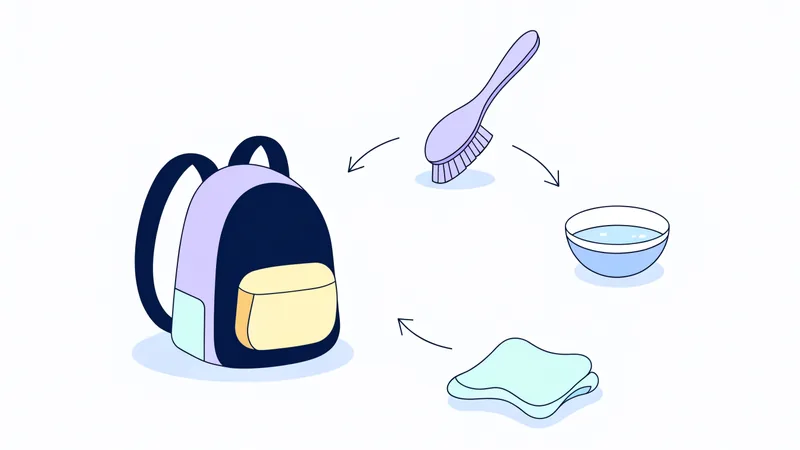
Assemble a small working kit rather than several competing cleaners. Keep the approved instructions on how to remove ink from a bag beside its care information. A test is useful only after the treatment is compatible with both.
- The bag's material and care information.
- The stain source, if known.
- The specifically approved treatment and its directions.
- Clean cloths specified by those directions.
- A photograph of the untreated mark.
- A record of previous cleaning attempts.
For permitted leather-care products, Burberry advises a test in an inconspicuous area. Ask the maker where to test if no area is truly hidden.
Choose a test area representing the same material and finish as the stain. A lining patch does not answer a question about the outside panel. Keep separate notes for differently colored trim.
Follow the product's timing and removal instructions exactly. Evaluate the test under the same lighting used for the original photographs. If the finish changes, stop and report the result.
A successful small test is not a promise that the stain will disappear. Use it as one checkpoint before treating the mark, rather than permission to extend treatment across the whole bag.
Decide how to remove ink from a bag
Follow this sequence when the bag maker has approved a stain-specific method. Skip home treatment when that approval is missing or the material requires a specialist.
- Remove the leaking item.
- Photograph the stained component.
- Confirm its material and finish.
- Read the approved treatment instructions.
- Complete the specified spot test.
- Apply the permitted treatment to the affected area.
- Remove treatment residue as instructed.
- Reassess before any further application.
For finished leather, Leather UK distinguishes formulated ink treatments from household stain-removal hacks. Get compatibility advice rather than assuming hand sanitizer or hairspray is a leather-care product.
For an approved washable textile, use its complete washing instructions after pretreatment. The canvas tote guide explains why canvas alone does not establish machine-wash permission.
Tide advises checking for remaining ink before dryer use because drying can set the stain. That is textile guidance, not permission to tumble dry a bag.
If treatment leaves a changed patch, do not enlarge it to make the panel match. Stop and send your before-and-after photographs to the maker or cleaner.
What not to do, and when to use a professional
Avoid combining a stain remover, cosmetic wipe, leather cream, and detergent into one improvised session. Keep a complete record of what has touched the bag so later advice starts from the actual condition.
Do not assume skin-care products suit bag materials. Burberry advises keeping its pieces away from hand cream, perfume, and cosmetics. A makeup remover's intended use does not establish approval for a bag finish.
Keep routine care distinct from restoration. Longchamp publishes separate guidance for leather and nylon canvas. Neither category automatically supplies a treatment for every stain found on it.
Use a specialist for an unknown finish, persistent ink, deep grease, extensive staining, or a bag whose original color is especially important. The professional repair guide explains how to prepare an assessment request.
Ask the cleaner to distinguish stain reduction from recoloring or finish repair. Agree on acceptable changes before work begins. Keep the service's aftercare instructions with the bag.
Return to the bag-care hub for routine maintenance once the stain has been assessed. Prevention and ordinary cleaning can follow a different schedule from specialist stain work.

FAQ
Can you use rubbing alcohol on a leather bag?
Do not borrow a clothing ink-removal method without approval for the leather finish. Leather UK advises formulated leather ink treatments and warns against household hacks. Identify the finish and consult the maker first. If the mark is on suede or nubuck, its guidance directs the job to a specialist. Source.
Does leather cleaner remove oil stains?
Routine leather cleaning and oil treatment are different questions. Coach specifically excludes ink, grease, and oil stains from its routine cleaner and moisturizer advice. Ask your bag maker which treatment, if any, it approves for the affected finish. Do not keep applying a maintenance product simply because the stain remains. Source.
Can you wash makeup out of a bag lining?
Only when the lining and complete bag permit the required method. Clothing stain advice does not establish that a fixed lining can be soaked or machine washed. Identify the cosmetic, read the lining instructions, and ask about removal or separate cleaning. For persistent fabric-lining stains, Burberry recommends specialist advice. Source.
Should you use heat to finish stain removal?
Follow the approved drying method and inspect the result before adding another treatment. Tide warns that dryer drying can set remaining ink and makeup stains on clothing. That supports caution for approved washable textiles, not a universal heating rule for all bag materials. Ask the maker when the drying instructions are unclear. Source.
Sources
- leatheruk.org/care-instructions
- uk.coach.com/support/warranty
- int.burberry.com/c/reburberry/leather-goods-bags-aftercare
- longchamp.com/us/en/maison-longchamp/savoir-faire/fixing-and-care.html
- tide.com/en-us/how-to-wash-clothes/how-to-remove-stains/ink-stains
- tide.com/en-us/how-to-wash-clothes/how-to-remove-stains/makeup-stains