How to store handbags so they keep their shape
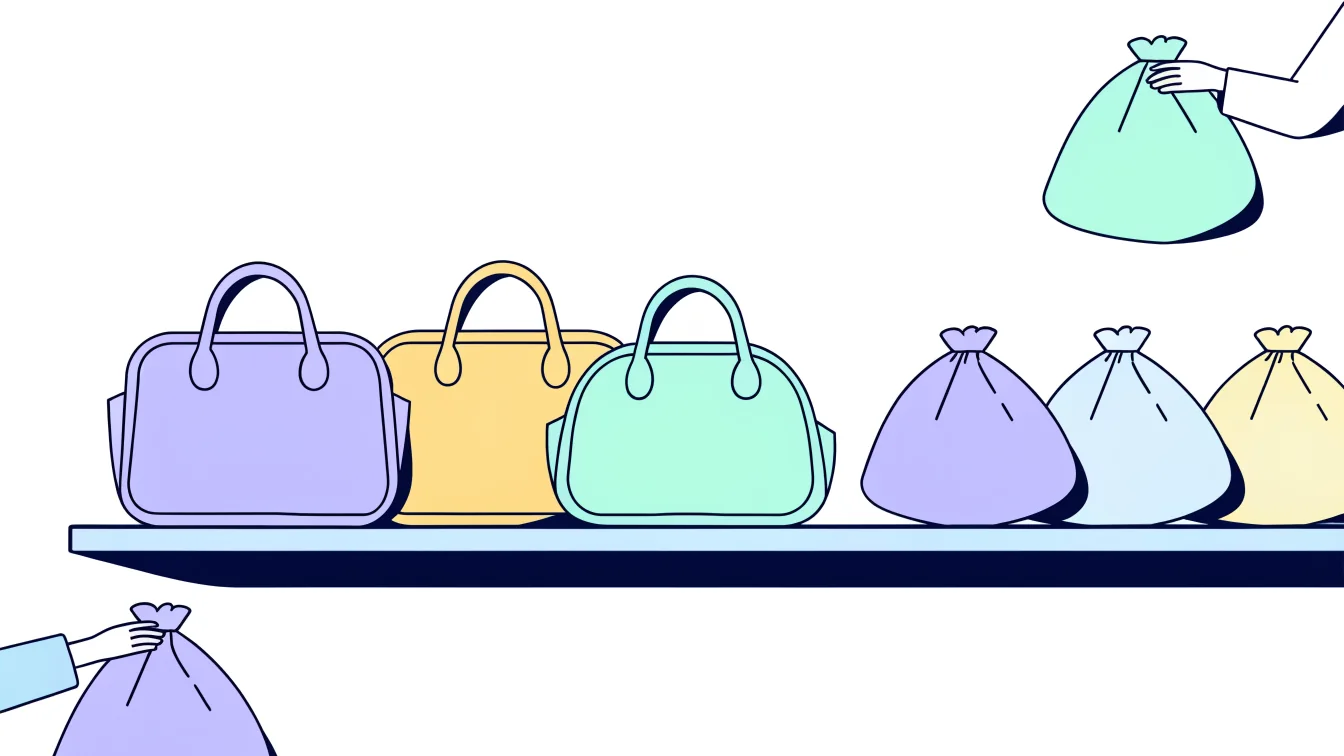
Store handbags upright on a shelf, lightly stuffed, with the straps resting on the bag rather than carrying its weight. Use breathable dust covers and a cool, dry closet. Whatever your closet looks like, how to store handbags starts the same way: clean and dry each one, following its care label.
What you need before storing a handbag
- A clean, flat shelf
- A soft cloth
- Clean white tissue paper or another soft filler
- A breathable dust bag, or a clean pillowcase (an option in one maker's storage guidance)
- A small pouch or tray for detachable straps, chains and charms
Choose filler that supports the body without stretching it. Clean white tissue makes it easier to see whether color is transferring.
Keep printed paper away from pale interiors; ink can transfer, and damp air makes that more likely. The goal is gentle support, not stuffing until the seams strain.
How to store handbags: eight steps
- Empty every pocket. Remove cards, cosmetics, receipts, pens and wrappers, including under any removable insert. Lip balm left in a bag is an especially annoying surprise months later.
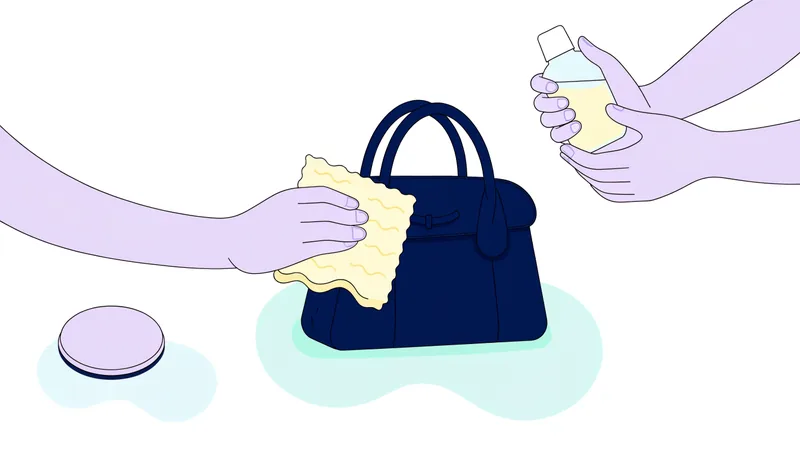
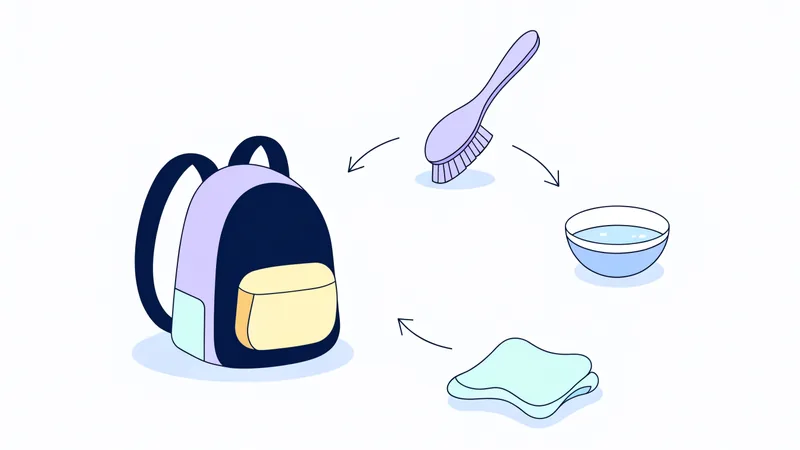
- Inspect the bag. Look for damp fabric, stains, loose lining, and damaged strap hardware. If it needs cleaning, follow its own care label or the maker's product-care instructions before storage.
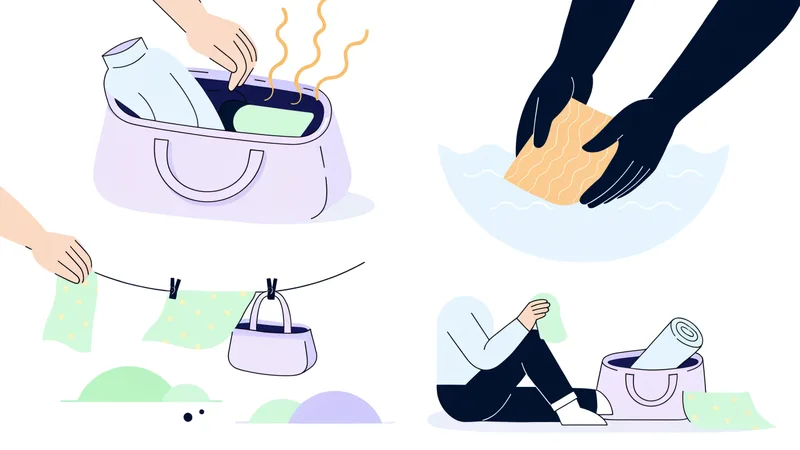
- Allow the bag to dry. Do not enclose a damp lining. Leave the bag open in a ventilated, shaded place until it is dry to the touch and no trapped moisture remains.
- Fill lightly. Put clean tissue in the bottom and corners, adding enough to maintain the normal silhouette. Avoid pushing outward against closures or forcing rigid panels into unnatural curves.
- Separate the hardware. Lay a detachable strap beside the bag in its own soft pouch, and keep chains and charms in a small tray or cloth pouch. Left against one spot for months, they can leave pressure marks.
- Rest fixed handles. Lay them loosely against the body, with a fabric layer between metal parts and delicate finishes.
- Cover and shelve. Slip the bag into a breathable cloth dust cover, then stand it on its base. Give it room so neighboring bags cannot squash its sides. One maker's storage guide recommends a cool, dry location away from sunlight.
- Check periodically. Look for new odors, visible condensation, color transfer, sagging, or strap pressure marks. Readjust the filler when necessary.
Storage methods by material
| Material or finish | Shape support | Cover and location | Main caution |
|---|---|---|---|
| Smooth finished leather | Light tissue stuffing | Breathable cover in a shaded, dry location | Avoid concentrated heat and prolonged handle tension |
| Suede or nubuck | Gentle support without rubbing the nap | Separate soft cover | Do not apply generic leather cleaners without checking care guidance |
| Canvas or woven fabric | Enough stuffing to prevent collapse | Clean, breathable storage | Do not pack away damp |
| Patent or coated finishes | Minimal pressure at fold lines | Separate from contacting accessories | Heat and contact may affect specialty finishes |
| Structured synthetic bag | Maintain natural panel alignment | Shelf with space around sides | Avoid forcing it flat for space |
| Beaded or embellished bag | Support body and protect decoration | Individual soft wrap | Avoid pressure from neighboring hardware |
One maker's product-care page notes that some leathers need care unique to them, so the instructions for your particular bag take priority.
Shelf or hook, and how much space?

A wardrobe shelf is generally preferable to a hook. A hook puts long-term tension through handles and their attachment points. Coach's storage advice discourages hanging bags by the straps, saying "gravity can stretch out the material over time."
Measure the handbag at its widest point, including protruding hardware and a comfortably resting handle. Add some clearance on both sides. A bag that brushes its neighbor while being removed is less risky than one that must be squeezed into a narrow slot.
Shelves should support the base evenly. A narrow rail or wire gap can mark soft bottoms. Place a smooth, clean shelf liner beneath a bag if necessary, but avoid sticky or color-transferring liner material.
For small clutches, individual soft pouches in a drawer can be practical. Lay them flat when that matches their natural construction. Do not stack rigid embellished clutches where the top bag's weight presses against the decoration below.
If closet space is limited, prioritize supporting the largest structured bags. Fold a soft, unstructured tote only if you must; a sharp fold left for months can crease leather and coated fabrics.
What not to do
Avoid plastic bags and airtight storage bins around leather unless the maker calls for a specific storage method. The same guide notes that plastic can trap moisture and restrict circulation.
Do not hang a loaded bag from a hook for months. Do not place it beside a radiator or sunny window. One maker's summer guide says extreme heat can dry out leather, weaken adhesives and cause some bag materials to lose their structure.
Do not force bags into one another simply because nesting saves shelf space. Contact between hardware and a neighboring finish can make dents or scratches. Remove fragrance samples and strongly scented products; a stored bag should not function as a perfume drawer.
Avoid aggressive conditioning just before storage unless the manufacturer recommends the product for that exact material. Too much product can leave residue on linings and nearby bags.
When to ask a leather-care professional
Seek specialist advice when leather is sticky, cracking, shedding dye, growing visible mold, or showing significant structural deformation. Do not hide the problem under tissue and hope it improves. Ask the maker about authorized repair or restoration before attempting solvents, heat, steam, or reshaping at home.
For most bags, knowing how to store handbags comes down to a short checklist: empty, clean, dry, support, cover, shelf. See bag care for broader upkeep and how to clean a leather bag for material-sensitive cleaning. The handbag guide covers the main shapes and which ones need internal support.
FAQ
Should handbags be stored standing up or lying down?
A structured handbag normally benefits from standing on its base with gentle internal support. A slim clutch may lie flat if that is its natural shape.
The deciding factor is avoiding unnecessary pressure, bending, or stretching. Follow the maker's instructions for unusual constructions.
Can I use a pillowcase instead of a dust bag?
Yes. One maker's storage guide explicitly suggests a breathable pillowcase as an alternative.
Choose a clean, soft, colorfast fabric and keep hardware from rubbing directly against delicate surfaces. A pillowcase should cover the bag loosely rather than cinch the handles tightly together.
Is it bad to hang purses on hooks?
Long-term hanging can place stress on straps and attachment points. The same guide recommends avoiding hanging by the straps.
Short-term use on a hook is different from months of storage, especially for heavy leather bags. Store the bag on a supporting shelf instead.
How do I stop handbags getting squashed in a closet?
Lightly stuff each bag to its ordinary silhouette, store it upright when suitable, and leave side clearance. Do not place heavy items on top. A shelf divider can stop neighboring bags from leaning, but it should not press against or bend the bag's panels.
Should I store leather handbags in plastic boxes?
No. Breathable cloth storage is the safer default; plastic can trap moisture. If you use a display cabinet, keep it ventilated, shaded, and free from temperature extremes, and follow your bag maker's advice.