How to remove mold and mildew from a bag
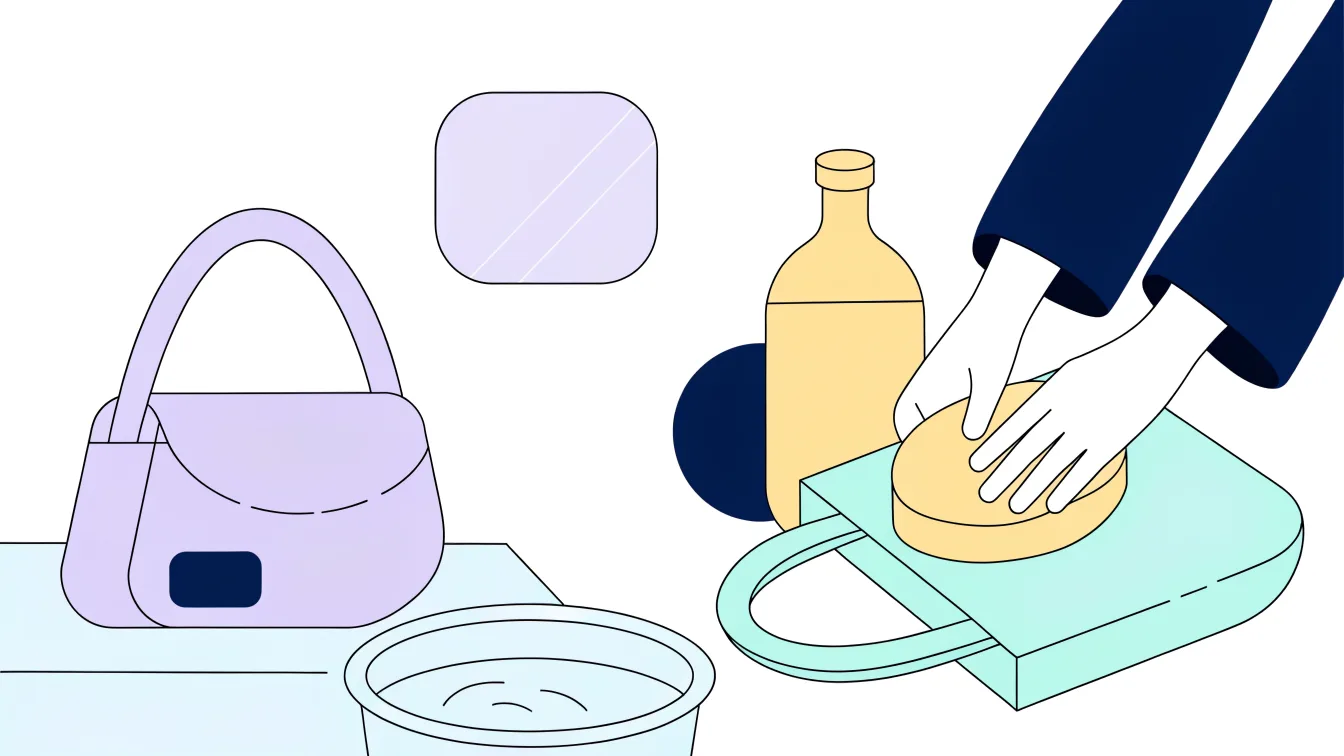
To decide how to remove mold from a bag, assess its materials and your ability to handle cleanup safely before choosing a cleaner. Hard surfaces and porous padding need different decisions. Some mold-affected bags require specialist assessment or disposal rather than repeated home washing.
Decide who should handle the bag
Pause normal use and assess the situation before cleaning. Record where you see suspected growth and whether the bag was stored wet, exposed to a leak, or affected by flooding.
CDC advises people with allergies, immune suppression, underlying lung disease, or chronic respiratory conditions against participating in mold cleanup. Arrange help rather than treating protective equipment as a reason to ignore that guidance.
If you have health concerns, EPA recommends consulting a health professional before cleanup. This is general handling guidance, not a diagnosis or a treatment plan.
Photograph the affected surfaces without dismantling the bag. Include the material label and model name when asking its maker about cleaning or replacement components.
Do not rely only on the size of the visible patch. EPA's household cleanup guidance considers the extent of damage and the nature of the affected materials. A small outer patch does not describe inaccessible layers inside a padded bag.
For a bag exposed to sewage or other contaminated floodwater, seek professional advice rather than using an ordinary travel-bag washing routine. EPA specifically distinguishes contaminated-water cleanup.
Choose by material, not by the bag's name
Check the care label and maker's instructions before selecting any cleaner. List the shell, lining, padding, straps, and trim separately. The outside material does not describe everything that needs assessment.
| Material or component | Decision to make | Next step |
|---|---|---|
| Accessible hard, nonporous surface | Does its finish permit detergent and water? | Consider compatible surface cleaning |
| Fabric lining or webbing | Can affected material be fully accessed and cleaned? | Ask the maker about recovery or replacement |
| Foam or enclosed padding | Is contamination inside an inaccessible layer? | Seek assessment; consider disposal |
| Leather, suede, or nubuck | What treatment does the exact finish permit? | Consult the maker or a leather specialist |
EPA describes detergent-and-water cleaning for hard nonporous plastics and metals. This does not authorize soaking a complete suitcase or using the same treatment on leather.
Coach, for example, says its suede should be kept away from water. Ordinary fabric washing is not an appropriate default for every mold-affected bag.
Use bag linings to identify the inside component. For a hard case, the suitcase-cleaning guide covers routine care after the mold decision has been resolved.
What you need before attempting cleanup

Proceed only when you can follow the health guidance and have an appropriate method for the affected material. Otherwise, arrange a specialist assessment or a disposal plan before handling further.
CDC recommends an appropriate N95 respirator, protective gloves, and protective goggles for mold cleanup. Follow its full guidance, including the advice about who should avoid the task.
Keep the agreed instructions on how to remove mold from a bag beside your supplies.
- The maker's material and care instructions.
- Protective equipment suitable for the task.
- The approved cleaner and its complete label.
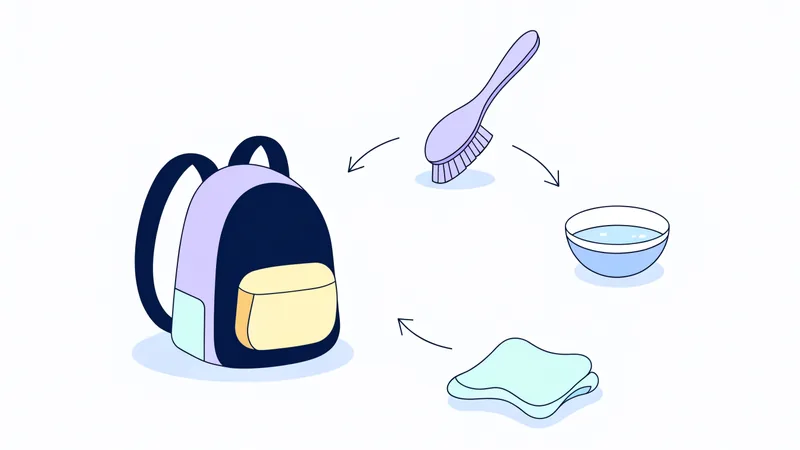
- Compatible cleaning cloths or tools.
- A plan for drying and handling removed materials.
- Contact details for specialist advice if needed.
Keep the assessment specific. Ask whether removable parts can be replaced and whether the maker supports cleaning the affected construction. Record the response so you do not repeat the same uncertainty later.
If the bag has significant sentimental value, say so before treatment. EPA suggests specialist consultation when an item is valuable or its cleaning method is uncertain.
Do not start by gathering several disinfectants. Choose a compatible process first. A chemical that claims to kill an organism still needs approval for its intended surface and use.
Plan how to remove mold from a bag
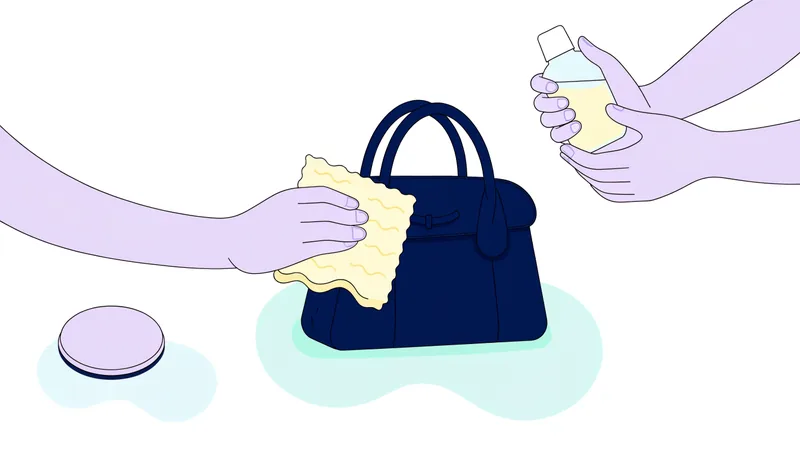
For an accessible hard surface, use this sequence only when the maker permits the cleaning method. EPA's general approach is detergent, water, and complete drying.
- Identify the affected component.
- Confirm its approved cleaning method.
- Put on the appropriate protective equipment.
- Remove the growth using the compatible cleaning process.
- Remove cleaner residue as instructed.
- Dry the component completely by the approved method.
- Reassess the bag before returning it to use.
Stop if the growth extends into a layer you cannot access. Do not present surface wiping as complete recovery of contaminated padding or fabric.
For porous components, EPA explains that mold can occupy spaces within the material and may require discarding the affected item. Ask whether a replaceable liner offers a practical option before treating the entire bag.
Discuss disposal with the specialist if recovery cannot be established. A general repair shop and a mold-remediation service may handle different parts of the problem. Describe the mold before bringing the bag to either.
Keep the professional bag-repair guide for questions about replacement parts after the contamination assessment.
What not to do, and how to prevent recurrence
Do not assume killing mold finishes the job. EPA notes that dead mold can still cause allergic reactions and must also be removed. A deodorizing or bleaching result is not proof of complete cleanup.
Never mix bleach with ammonia or another cleaner, as CDC warns. Do not borrow a building-cleanup bleach recipe for a bag whose maker has not approved it.
Fix the moisture problem as part of the plan. EPA recommends drying water-damaged items within 24–48 hours to help prevent mold growth. That prevention window is not a guarantee that existing growth has been removed.
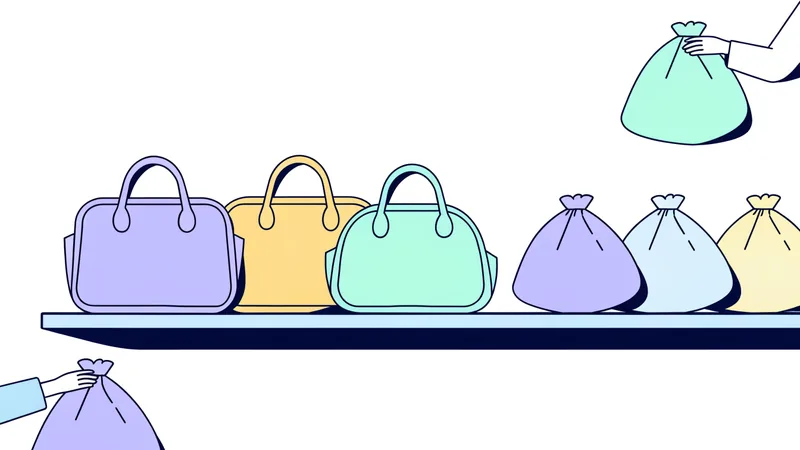
For future storage, unpack promptly and complete the bag's approved drying process. Investigate a damp closet or recurring leak before returning a cleaned bag to the same location.
Use long-term bag storage to organize that routine. Keep any specialist aftercare instructions with the bag rather than relying on a generic drying deadline. The bag-care hub covers routine maintenance afterward.
If growth returns, reassess the moisture source and hidden materials. EPA explains that cleaning without resolving moisture can allow the problem to return.

FAQ
Can you save a moldy fabric bag?
Sometimes recovery needs professional assessment rather than another wash. EPA explains that porous materials can be difficult or impossible to clean completely. The decision depends on the affected construction, access, and condition. Ask the maker about removable components, and consider disposal when contaminated layers cannot be recovered. Source.
Does bleach remove mold from every bag?
No universal bag treatment follows from household mold guidance. EPA does not recommend biocides as routine cleanup practice and explains that dead mold still needs removal. The bag's material restrictions also apply. Use a compatible process supported by the maker or specialist rather than assuming bleach suits fabric, leather, and coatings alike. Source.
Can you clean mold yourself if you have asthma?
CDC advises people with chronic respiratory conditions, including asthma, not to participate in mold cleanup. Arrange help and consult a health professional about personal concerns. This guidance does not assess your individual condition. Protective equipment is not a substitute for the agency's advice about who should avoid the task. Source.
Why does mold return after cleaning?
EPA explains that mold is likely to return when the moisture problem remains unresolved. Review both the bag's drying routine and its storage location. Repeated growth also warrants reassessing inaccessible materials with the maker or a specialist. Do not keep repeating surface treatment without considering why the item remains damp. Source.