Pickpocket tactics and how to carry your bag against them
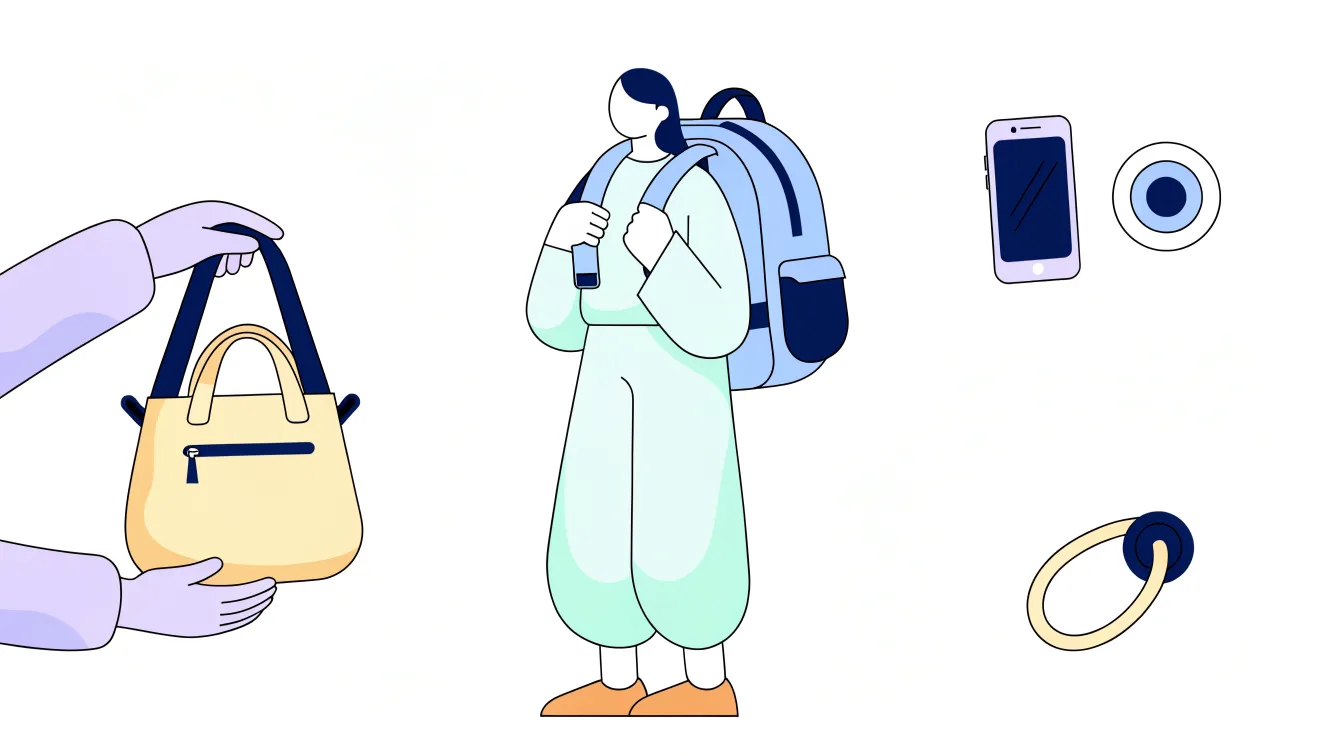
Learning how to avoid pickpockets starts with keeping your bag closed, in front of you and under your control. Metropolitan Police recommends these carrying habits. Combine them with deliberate routines when paying, boarding transport or stopping, rather than trusting a bag's marketing label.
Recognize the situations, rather than guessing who steals
Focus on what is happening around your belongings. Metropolitan Police describes team distractions and crowding, while British Transport Police describes blocked movement and obscured access. The useful response is to maintain control of your bag, rather than profile strangers by appearance.
You do not need to decide whether every bump or question is suspicious. Instead, keep your carrying routine intact while responding. Close the bag before turning toward a conversation. If you need more space to organize yourself, move somewhere suitable before opening it.
Treat a busy doorway, payment point or crowd as a cue to check your own setup. Know where your wallet and phone belong so you are not searching across several open compartments.
Avoid rehearsing elaborate tricks or expecting one predictable sequence. The general patterns are enough to guide practical habits: attention shifts, people move close and belongings become accessible.
Use the broader bag security guide to organize your precautions. These measures reduce avoidable exposure; they do not make you responsible for someone else's criminal behavior.
Match your carry routine to the situation
Use this table as a practical routine checklist. The actions apply the police advice above; they are not measured protection ratings for different carry styles.
| Situation | Before entering it | While occupied | Before moving on |
|---|---|---|---|
| Crowded platform or queue | Close compartments and put essentials away | Keep the bag where you can monitor it | Confirm the closure remains shut |
| Ticket gate | Prepare only the ticket or device needed | Keep the wallet compartment closed | Return the item to its assigned place |
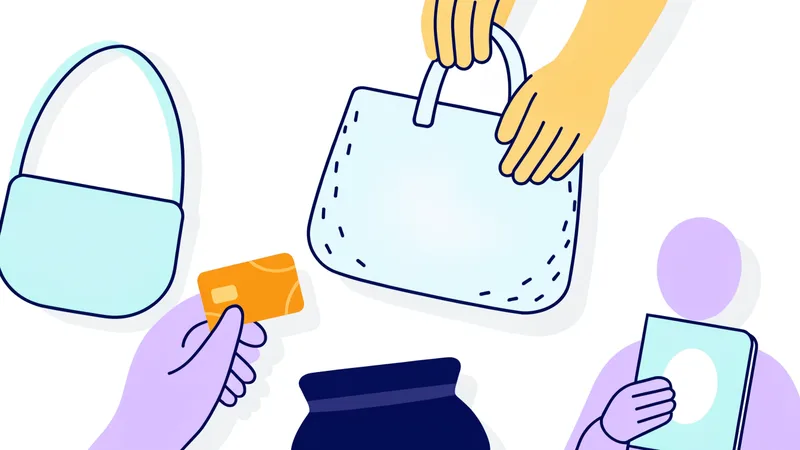
| Shop payment | Decide which card you will use | Avoid leaving the whole wallet exposed | Put the card away and close the bag |
| Café stop | Choose a position for the bag before sitting | Keep belongings with you | Count what you brought before leaving |
| Map or message check | Stop somewhere suitable | Keep the bag closed while using the phone | Stow the phone before rearranging other items |
| Crowded vehicle | Establish your carry position before boarding | Keep access to closures under your control | Recheck belongings after leaving the crowd |
Adapt the routine to your mobility and comfort. A position you cannot comfortably maintain needs a different arrangement, not a test of endurance.
For the separate problem of larger bags during transfers, see protecting luggage in airports and hotels.
A routine for how to avoid pickpockets
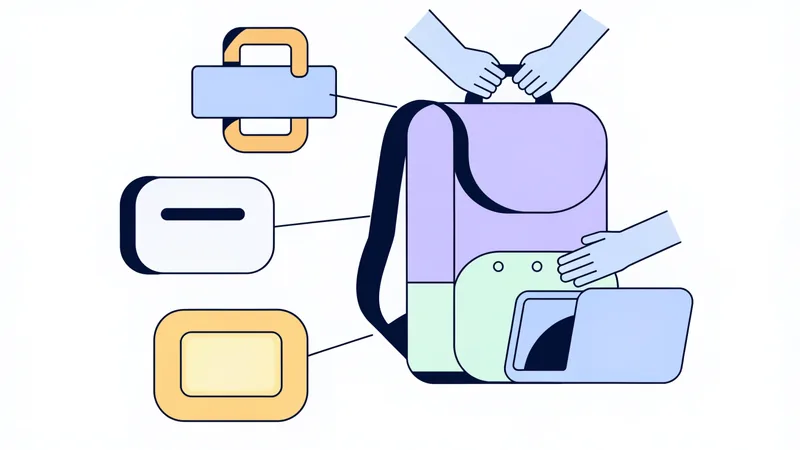
- Assign each essential a place. Choose a closed compartment for your wallet and a consistent location for your phone. Avoid scattering essentials through unfamiliar pockets.
- Prepare before joining the crowd. Take out the ticket or payment method you need, then close the remaining compartments.
- Set the bag position. Metropolitan Police recommends carrying in front or diagonally across the chest. Use an arrangement you can comfortably monitor.
- Complete one access task at a time. Finish paying or checking directions before reorganizing other belongings.
- Close, then move. Return the item and finish closing the compartment before walking away or boarding.
Practice the sequence with your actual bag before a trip. Notice whether a strap slips, the opening turns away or you leave a pocket partly closed. Adjust the setup rather than relying on constant correction in a crowd.
If you travel with someone, agree who watches shared luggage during payments or ticket checks. State the handoff clearly instead of assuming the other person has taken over.
Choose useful features without treating them as guarantees
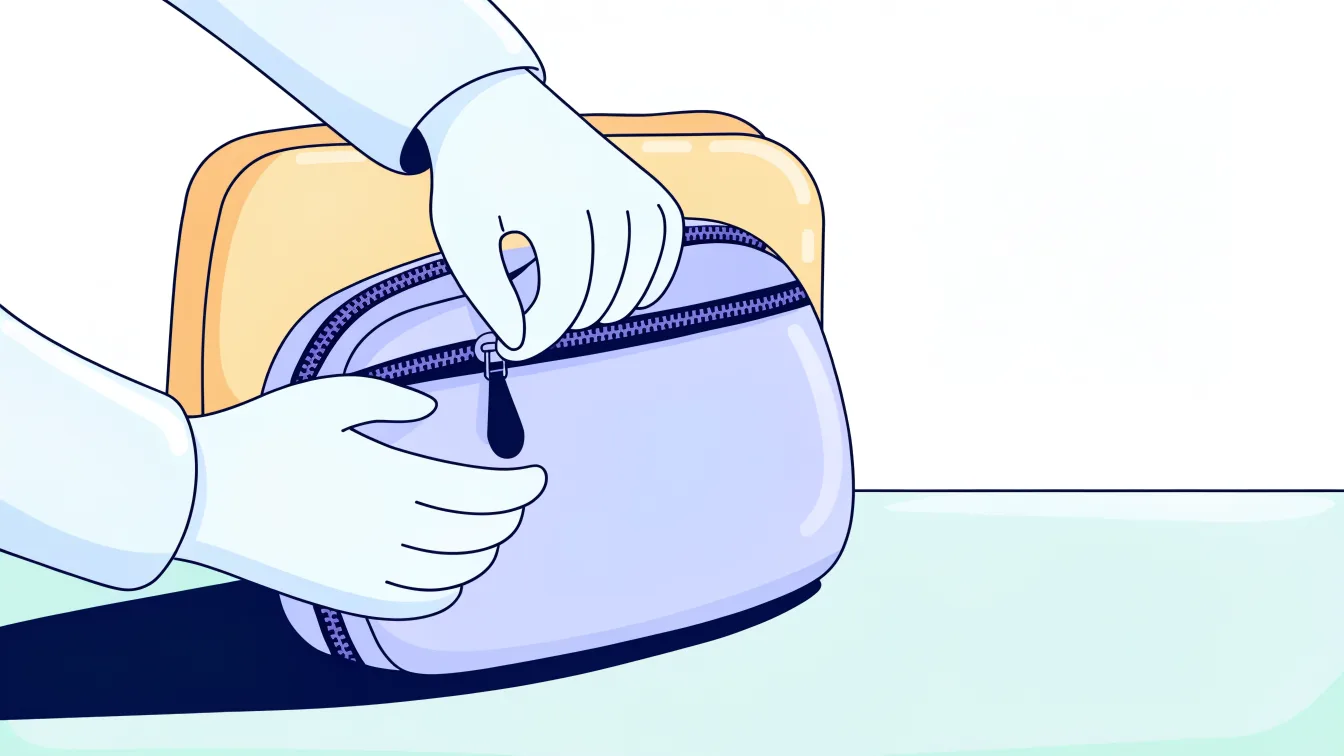
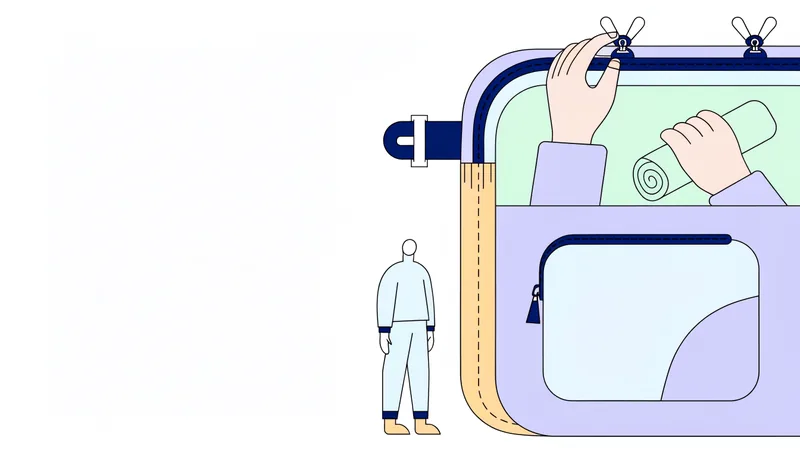
Look for a closure you can operate and fully close every time. Metropolitan Police recommends zipped or snapped closures while also warning that a zipped bag does not eliminate theft risk. Keep both parts of that advice together.
Then inspect where the opening sits when you wear the bag. Can you see or readily monitor it? Does reaching for a ticket leave another compartment open? Try the arrangement with your ordinary contents.
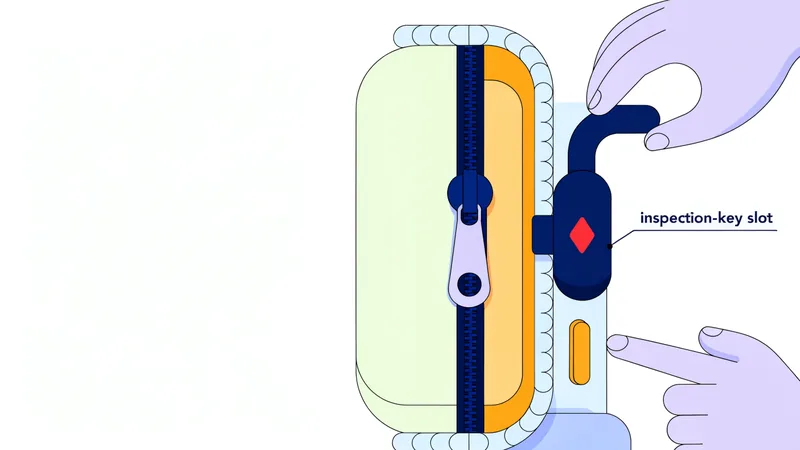
Ask what any security feature actually does. For a zipper clip, understand how you engage and release it. For a covered pocket, establish where it sits when the bag is worn. Evaluate the mechanism rather than treating the feature name as a performance result.
Avoid accepting a theft-reduction percentage without relevant evidence. No such rating is assigned here.
Use crossbody versus shoulder bags to examine carrying options. Pick the arrangement you can use consistently; a complicated closure left disengaged is not part of your real routine.
Keep control when you stop or put luggage away
Choose a place for your bag before settling into a café or waiting area. Keep it with you rather than assuming the table, chair or surrounding crowd supplies supervision.
Metropolitan Police advises against hanging belongings behind a chair or putting them out of sight on the floor. Use that advice to plan your seated arrangement before opening a menu or taking out your phone.
On rail journeys, British Transport Police recommends keeping luggage with you where possible and checking stored bags at stops. Follow the operator's storage instructions and keep aisles and exits clear.
For a shared trip, agree who remains with the bags when someone goes to a counter. An explicit handoff is clearer than both travelers assuming the other is watching.
Before leaving, use a quick inventory: bag, wallet, phone and anything you took out. Make that a consistent departure habit rather than a nervous search every few minutes.
Consider the companion guide to bag safety on public transport for the wider journey.
Common mistakes and what to do if something is missing
Leaving the bag open between tasks. Finish returning the ticket or card before starting the next activity. Avoid walking away while still reorganizing your wallet.
Moving everything into an exposed convenience pocket. Decide which item needs quick access and keep the rest in their assigned compartments. Convenience should not mean opening every essential at once.
Buying features without practicing them. Rehearse wearing, opening and closing the bag with normal contents. Simplify the arrangement if you repeatedly forget a fastening.
Having no backup information. Police.uk recommends keeping important records and having a backup if your phone is lost. Keep recovery information securely accessible through a separate route.
If something is missing, move to a safe place and check its assigned location. Seek staff assistance and report suspected theft to local police. Contact the relevant bank or service provider about missing cards or devices. Prioritize personal safety if anyone threatens you.
Learning how to avoid pickpockets is about sustainable habits, not perfect vigilance. Keep the routine simple enough to repeat when you are tired or distracted.
FAQ
Is a crossbody bag safe from pickpockets?
Metropolitan Police recommends carrying bags in front or diagonally across the chest. Treat that as a useful carrying habit, not a guarantee attached to the bag type. Keep compartments closed and choose a position you can monitor. Your access and closure routine still matters when using the strap.
Should I wear a backpack on my front in crowds?
Consider a position that lets you monitor the bag while respecting your comfort and the space around you. Keep valuables in closed compartments and avoid blocking other people. If rearranging the bag is awkward, stop somewhere suitable before entering the crowd instead of wrestling with straps while moving.
Does a zipper stop pickpockets?
A closed zipper is useful, but the police guidance explicitly warns that it does not eliminate risk. Finish closing it after every access task and monitor the bag's position. Do not treat the presence of a zipper as a reason to leave belongings unattended.
Where should I keep my bag at a café?
Keep it with you and choose its position before becoming occupied with ordering or conversation. Avoid hanging it behind your chair or placing it out of sight. Before leaving, check the bag and any items you removed. If traveling together, agree who watches shared belongings during counter visits.