Men's bags: a complete guide
Choose men's bags around your load, carry preference and destination. Consider a backpack for mixed belongings, a briefcase for flat work essentials, or a crossbody for pocket overflow. Start with the job, then choose the appearance.
Which men's bags suit each part of your day?
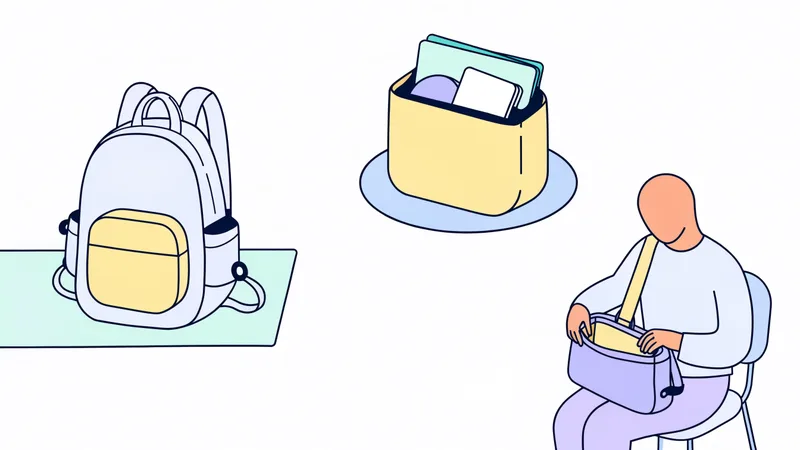
Begin by putting everything you carry on a table. Separate the things you take every day from occasional extras.
Keep your laptop in its usual sleeve. Include the charger, bottle and lunch container you actually use. Add clothing only if changing clothes belongs to your routine.
Use the table as a shortlist, rather than a dress code. The suggested settings are styling conventions and practical starting points.
| Type | How to recognize it | Setting to consider | Fit priority |
|---|---|---|---|
| Backpack | Two shoulder straps and a body worn behind you | Commuting, campus or a mixed day | Space for the complete daily load |
| Messenger | A shoulder strap and a broad body, commonly with a flap | Work with frequent access stops | Device compartment and opening width |
| Briefcase | A document-shaped body with hand carry handles | Meetings or a compact office load | Flat items without forced corners |
| Tote | Two handles and a simple main opening | Errands or a relaxed workplace | Handle clearance over your usual jacket |
| Crossbody | A strap intended to cross the torso | Pocket essentials or a light outing | Phone, wallet and glasses together |
| Sling | A compact body carried on one diagonal strap | A small load without a full backpack | Access direction and usable pocket depth |
| Weekender | A travel bag organized around clothing | Overnight stays or short breaks | Your packed clothing and footwear |
Treat the labels as search terms. Compare the actual shape and layout before deciding which category suits you.
Read size examples as measurements, not promises
Start with dimensions, then look at capacity. Use both when deciding what to try.
These are individual makers' published examples, not recommended products or standard sizes for their categories.
| Bag category | Published capacity | Published outside dimensions | What to compare |
|---|---|---|---|
| Daypack | 20 liters | Use the maker's diagram when assessing shape | Your packed daily load |
| Messenger, medium example | 16 liters | 17.9 inches wide x 12.8 high x 7.28 deep | Opening and device compartment |
| Briefcase | 13 liters | 16 inches long x 4 wide x 12.5 high | Documents and accessories together |
| Travel duffel | 40 liters | 19.7 x 12.5 x 8.5 inches | Folded clothes and shoe space |
| Tote, medium example | Approximately 17 liters | 12 inches high x 13 wide x 6 deep | Opening and handle clearance |
| Small crossbody example | 1 liter | 7.5 inches high x 6 wide x 1.5 deep | Phone case and glasses case together |
| Sling example | 5 liters | 14 inches high x 9 wide x 5 deep | Main compartment and access opening |
Use outside measurements to compare the space a bag occupies. Request internal compartment measurements for the objects you need to pack.
Check the opening separately: an item needs a route into the compartment, not just room once inside. Avoid inferring device fit from capacity.
For more detail, follow the guide to measuring a bag. Compare your belongings in their usual cases before choosing spare space.
Choose a work bag around the complete commute
Picture the whole route, including the walk, train platform, office entrance and any stop afterward. Then choose a way to carry your belongings through it.
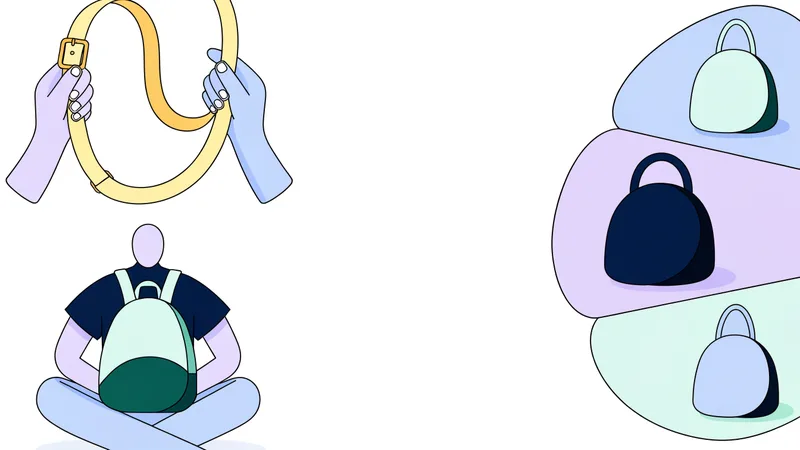
For a backpack, try putting it down and retrieving your keys without spreading everything across a seat. For a messenger, practice opening the flap while wearing it.
For a briefcase, decide whether you want to carry it by hand for the entire journey. Examine the shoulder strap if you expect to use one.
A laptop label deserves a closer read. Timbuk2 describes its messenger's internal divider as unpadded, despite listing device sizes.
Ask separately about compartment measurements, padding and closure. Make your selection using the protection described for that particular design.
At work, use the written dress code where one exists. Otherwise, treat a simple silhouette and restrained detailing as optional ways to coordinate with tailored clothing.
There is no need to assign bag shapes to a gender. Choose the carrying method and appearance you prefer.
Before settling on one work bag, plan where lunch, damp outerwear and the charger will go. Give each a deliberate place.
Pick a smaller bag for a smaller job
A small crossbody or sling deserves its own packing test. Lay out the exact essentials you intend to move out of your pockets.
Include a phone case, glasses case and keys. Leave out the laptop charger if it belongs to a different part of your day.
Next, decide how you want to retrieve each item. If you use a transit card frequently, give it an accessible place in your planned layout.
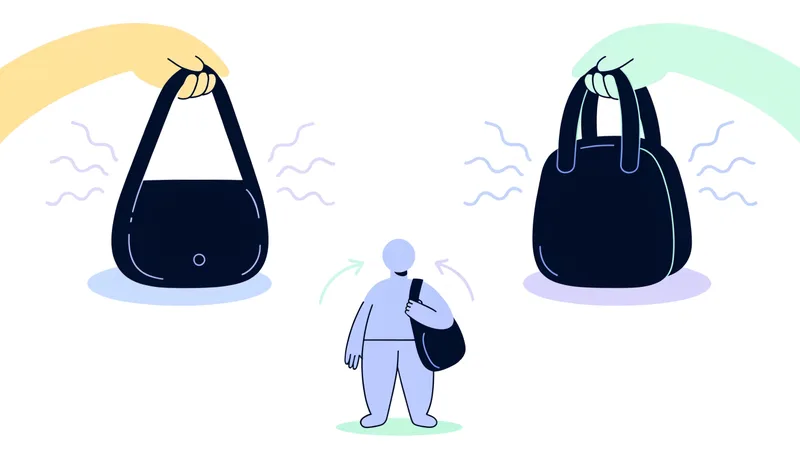
Try the strap over the clothing you expect to wear. Adjust it, reach into the bag and sit down before judging the fit.
Use your preference to settle the height. You do not need a universal instruction telling every person where a small bag must sit.
For occasional longer outings, decide whether you want room for a bottle or a separate carrier. Make that decision before choosing the smallest body available.
Avoid filling every pocket during the trial. Leave enough working space to put an item back without rearranging everything.
If the shape still appeals when packed, move on to checking its closure and strap attachments.
Decide whether a tote or weekender fills the gap
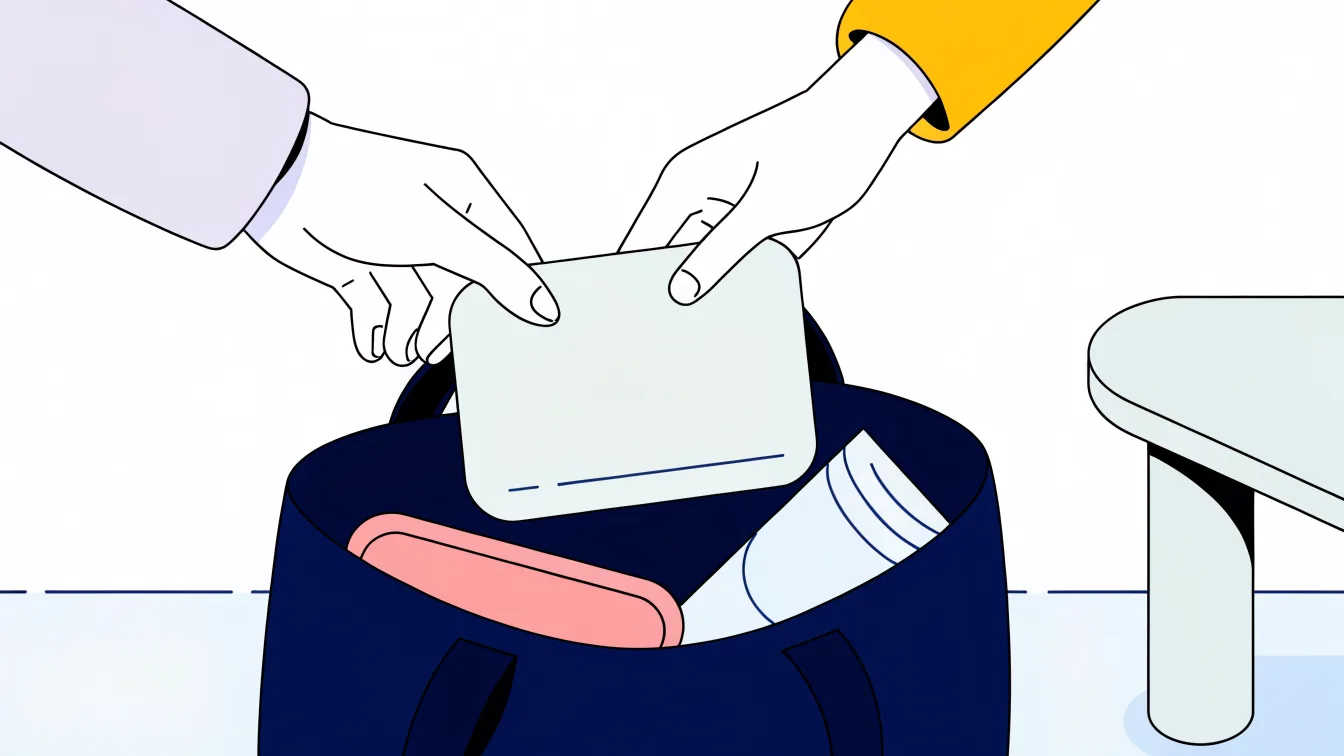
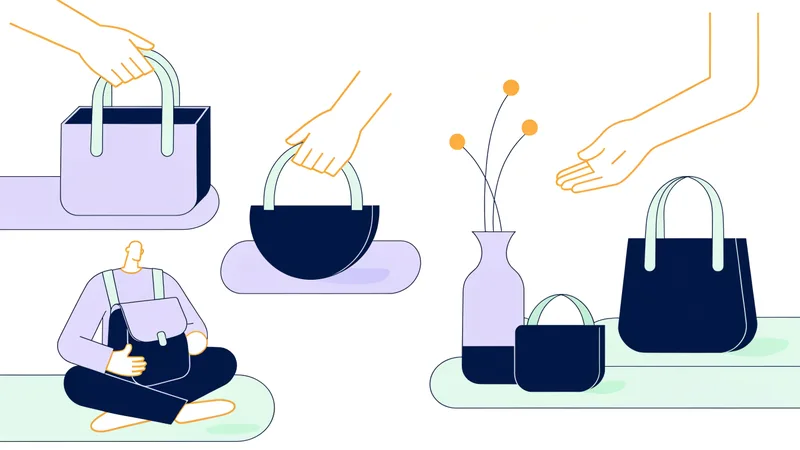
Use a tote trial for errands that do not resemble your office routine. Pack the items you would take to the library, shops or a friend's house.
Try both hand and shoulder carry if the handles allow it. Repeat the trial over your usual coat.
For an open design, consider whether you want an added pouch for small belongings. Choose a closure based on how you intend to use the bag.
For a weekender, begin with a packing list rather than the number of nights in the name. Include the shoes and toiletries you plan to take.
The published 40-liter duffel example weighs about 2.31 pounds empty. Compare a candidate's stated empty weight before adding your load.
Try lifting your packed bag using each carry option. Decide which method you would use on stairs and while waiting.
For a flight, compare the packed exterior with your operator's current allowance before travel. Do not choose from a general carry-on claim alone.
Keep the travel bag separate from your daily choice if your everyday load does not need that space.
Read the material description one component at a time
Ask what the body, lining, handles and trim are made from. Record those details separately when comparing candidates.
The published briefcase example specifies cotton twill, leather and brass. The duffel example specifies a polyester ripstop body with a TPU-film laminate.
Use those descriptions to identify the exact construction. Avoid giving every bag made with a similarly named fabric the same performance expectations.
When a seller makes a weather claim, look for its scope. Ask about the seams and closure if keeping contents dry matters to you.
For appearance, compare actual product photographs rather than choosing by a material name alone. Decide whether you prefer a smooth, textured or visibly woven surface.
Consider the care instructions at the same time. A surface you enjoy looking at should also suit the maintenance you are prepared to do.
Choose hardware for its operation as well as its color. Practice fastening the clasp and adjusting the strap if you can inspect the bag.
Use that trial to identify awkward details before they become part of your routine.
Coordinate the bag, then plan its care
For men's bags, a useful styling approach is to repeat one feature from your clothing. Try a color, texture or degree of formality.
Treat this as an option. A contrasting tote or a bright sling can be the deliberate focal point of an otherwise simple outfit.
Begin with the bag you would actually carry. Then use the guides below to explore outfit choices without replacing a useful shape.
For care, follow the instructions for the exact bag and its finish. Keep a copy of those instructions with your purchase records.
As a specific example, Coach warns that its denim colors may transfer and its suede should avoid water. Do not extend one material's cleaning method to another.
Before applying a treatment, ask the maker whether it suits the body, trim and hardware. Decide where you will store the bag between uses.
Build those small tasks into your choice. The goal is a bag whose carrying method, appearance and upkeep all fit your actual week.
FAQ
What kind of bag should a man carry every day?
Choose around your belongings and route. Start with a backpack or work-shaped bag if your normal load includes a computer and lunch. Try a crossbody or sling for essentials. Pack the candidate with your usual items before judging its size or deciding whether its appearance suits you.
Can men carry tote bags?
Yes. Choose a tote if you like its carrying method and layout. Try the handle clearance over your coat, then decide whether you want an open or zipped top. Use the bag's function and your own style preferences to make the choice, without treating its shape as a gender rule.
How big should a men's work bag be?
Begin with your actual laptop, sleeve, documents and other daily items. Compare those with the bag's compartment measurements and opening. Use a published capacity as a reference, then confirm the fit directly where possible. Choose extra space for identifiable needs rather than an unspecified future load.
Do I need different bags for work and weekends?
Try your existing bag for both before adding another. A separate bag is worth considering when the weekend job requires a different load or carry method. Compare those differences explicitly. If one bag already serves both routines comfortably, there is no styling requirement to create a larger collection.
Related guides
- Bag buying guides for organizing your selection.
- How to match a bag to an outfit for coordinating the finished look.
- Versatile bag colors for choosing a shade around your wardrobe.
- Matching bags and shoes for coordinating accessories.
Sources
- osprey.com/daylitetm-sling-6
- osprey.com/daylitetm-small-crossbody
- llbean.com/llb/shop/33381
- osprey.com/daylite-plus-dayltpluss21-795
- timbuk2.com/products/2023-classic-messenger-bag
- filson.com/products/rugged-twill-original-briefcase-tan
- patagonia.com/product/black-hole-duffel-bag-40-liters/49339.html
- coach.com/support/product-care