Personal item vs carry-on: what is the difference?
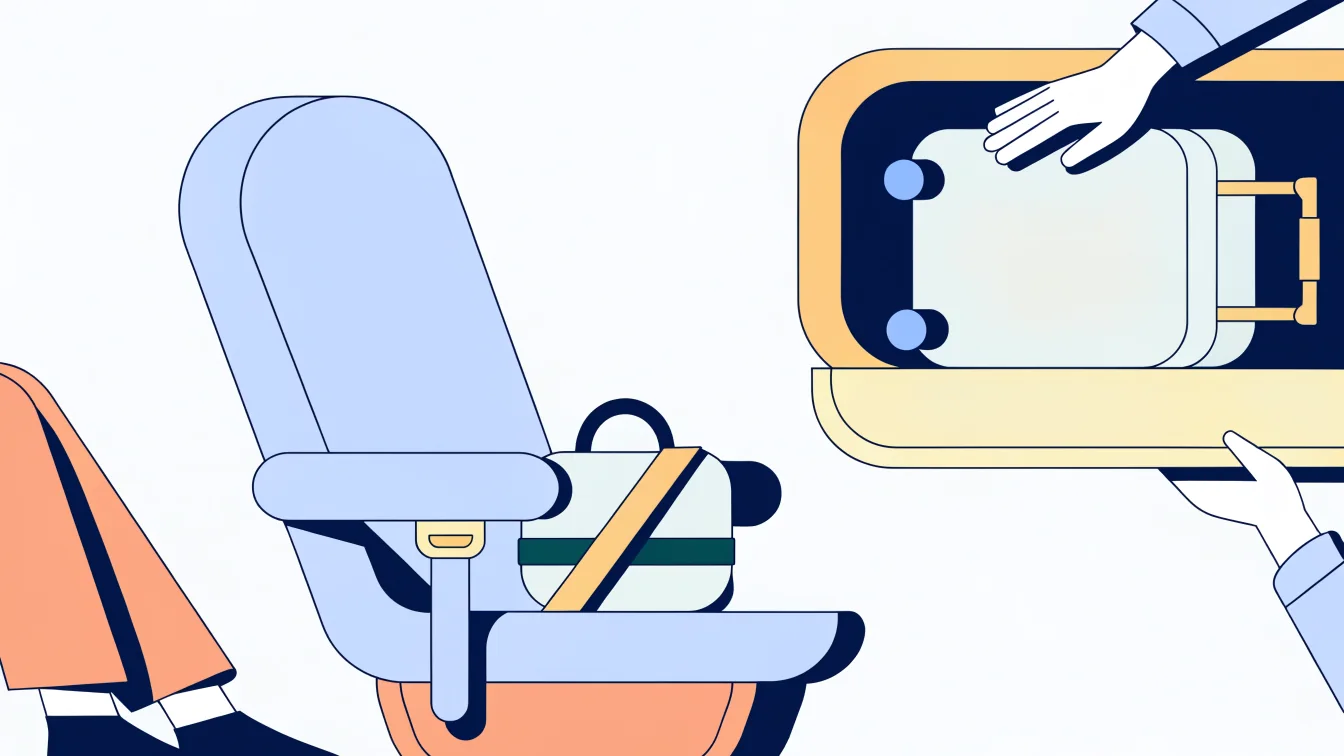
Personal item vs carry-on: the personal item is the smaller bag that goes under the seat in front of you. The carry-on is the larger bag for the overhead bin. Each airline sets its own sizes and fare rules, so the name alone guarantees nothing.
Personal item vs carry-on: quick comparison
Both travel in the cabin, but they go in different places. A backpack may count as either one depending on its packed dimensions and the airline. A tote, small duffel or compact roller does not automatically qualify as a personal item either.
| Attribute | Personal item | Carry-on bag |
|---|---|---|
| Usual storage | Under the seat ahead | Overhead bin |
| Typical contents | Laptop, documents, medication, essentials | Clothing, shoes, larger travel kit |
| Example AA maximum | 18 × 14 × 8 in | 22 × 14 × 9 in |
| Example bag types | Small backpack, purse, slim tote | Roller suitcase, larger travel backpack |
| Main constraint | Space under seat and airline dimensions | Overhead fit, airline dimensions and sometimes weight |
| Flight access | Usually easier to reach | Less convenient during the flight |
| Fare inclusion | Depends on carrier and ticket | Depends on carrier and ticket |
The AA figures above are examples, not universal standards. Two US carriers' pages, both checked November 7, 2026, set the personal item differently:
| Airline | Personal item | Carry-on |
|---|---|---|
| American Airlines | Up to 18 × 14 × 8 in | 22 × 14 × 9 in, including handles and wheels |
| Delta | No dimensions published; must fit under the seat in front | 22 × 14 × 9 in and 45 linear inches, including handles and wheels |
Limits differ by airline, can differ again on connecting flights and certain aircraft, and change over time. Check your operating carrier and fare class before paying for luggage.
What counts as a personal item?
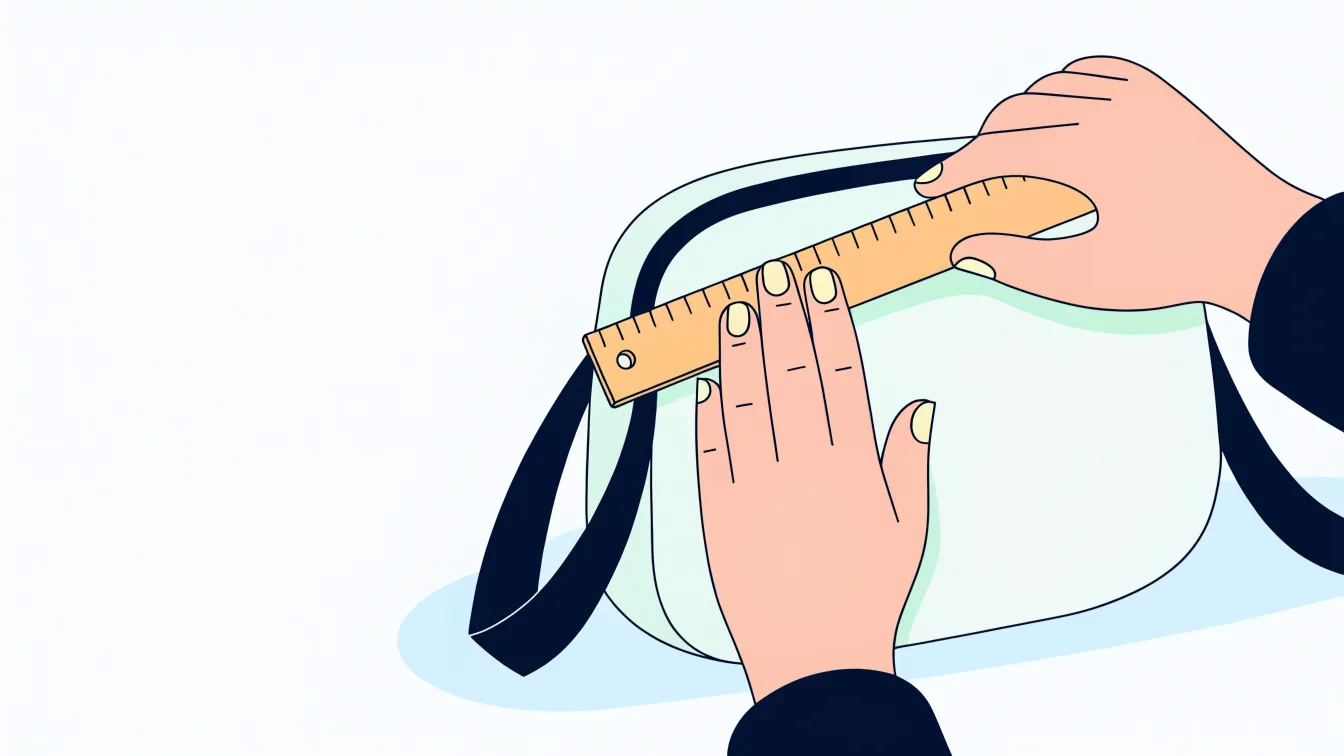
What matters is not the bag's marketing label but its packed outside size and where it stows. A slim backpack may work, while a stuffed shoulder bag may exceed a depth restriction. Measure the bag after packing, including protruding pockets and rigid handles.
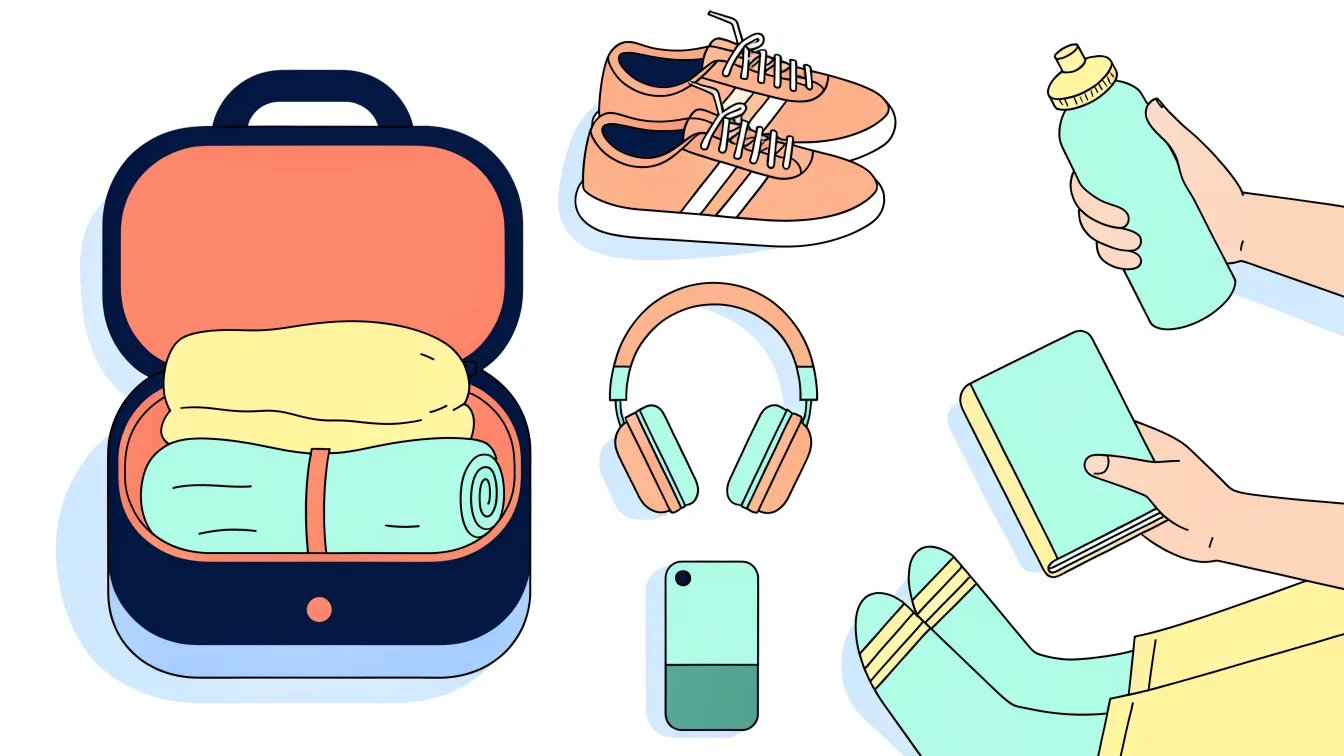
Personal items are useful for belongings you need during the flight: identification, laptop, glasses, a book, headphones and any essential medication. Keep fragile and temperature-sensitive items with you.
American Airlines lists items that do not count as the personal item or carry-on. They include one diaper bag per child and certain medical or mobility devices. That guidance is airline-specific, so never assume an exemption carries across airlines.
What counts as a carry-on bag?
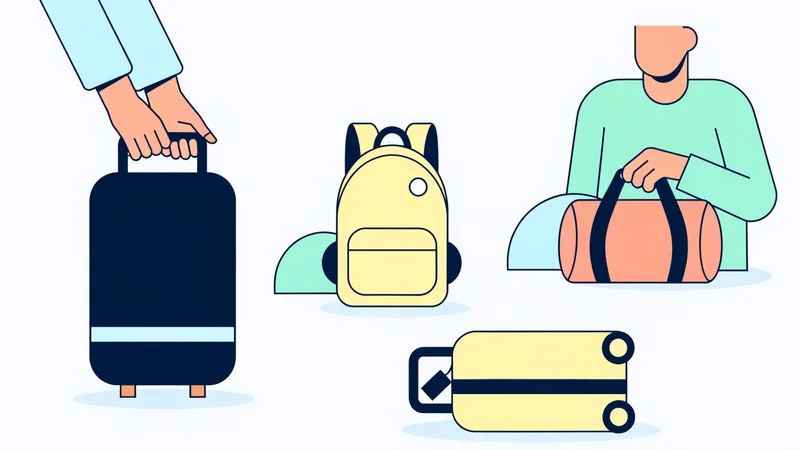
A carry-on is the larger piece you take into the cabin rather than checking into the aircraft hold. It often holds clothing, shoes and personal supplies for a short trip. It may be a roller suitcase, travel backpack or soft-sided duffel.
The airline can limit each exterior dimension; some also impose weight restrictions. Wheels and fixed handles can make a suitcase too tall even when the body itself meets the advertised height.
Soft bags can expand when overpacked. Measure their largest packed shape.
On American Airlines, the published carry-on limit includes wheels and handles. Its page also warns that some aircraft or airports have additional restrictions.
Even a permitted-size cabin bag may be checked at the gate when overhead space runs out. Keep valuables and essentials in the smaller bag.
The carry-on luggage hub covers different case styles. Use the measurement guide for a repeatable sizing method.
Worked example: two bags on one itinerary
Suppose a passenger has a 17 × 12 × 7 inch backpack and a 21 × 13 × 8 inch roller suitcase. Compare both with the airline's actual rules, not with the words backpack and suitcase. On the example American Airlines dimensions, the backpack is within the listed personal-item maximum, while the roller is within the carry-on maximum.
That conclusion assumes those are their packed, overall measurements, and that the passenger's ticket and flight conditions permit both pieces. Passing the published numbers does not guarantee a fit in every under-seat space or sizer.
Now imagine the backpack is packed until it bulges to 10 inches deep. It would exceed American Airlines' listed eight-inch personal-item depth. A zipper that closes is not proof the bag still fits.
Does a carry-on cost extra?
It depends on the ticket and carrier. Some fares include a personal item but charge separately for a larger cabin bag, as Frontier's bag options page shows (checked November 7, 2026).
Other airlines offer both with their standard allowance. Premium cabins and loyalty benefits can alter what is included.
Read the baggage allowance attached to the precise fare before booking. This also matters when one airline markets a ticket and another operates the flight. Check the operating carrier's page for dimensions and bag charges; no rule says every backpack flies free.
What about liquids and security?
A personal item and carry-on are both cabin baggage for airport security purposes. TSA's travel tips set out the 3-1-1 rule for most liquids, gels and aerosols.
Each container must be 3.4 ounces or less. All containers must fit in one quart-size clear zip-top bag, one bag per passenger. The same page allows medically necessary liquids above 3.4 ounces, screened separately.
Size limits come from the airline (see the airline baggage rules hub); what you may carry inside comes from security screening. A bag that passes the sizer can still hold something TSA will not allow through.
What it means when you shop
Ignore the words "personal item" and "carry-on" in a product name. Take the maker's overall dimensions, with wheels and handles, and compare them with the strictest airline you fly. Leave room for a soft bag to bulge.
For an under-seat bag, the depth is the figure that fails first, as the 10-inch backpack in the example shows. For a cabin suitcase, the height including wheels is the usual problem.
The underseat and personal item bags roundup lists bags by their published dimensions.
Myths about cabin bags
Every backpack is a personal item. False. A large backpack can exceed the allowance.
Every carry-on can go under the seat. False. A larger bag may be intended for the overhead bin.
The 22-inch limit applies everywhere. False. It is an example of an airline rule, not a global standard.
Soft bags can be squeezed into compliance regardless of size. Not reliably. An overstuffed bag may fail a sizer or block the underseat space.
FAQ
Can I bring a backpack and a carry-on suitcase?
Often, yes: American Airlines, for example, allows one personal item and one carry-on if both meet its size rules. Some fares include only the personal item, so confirm the operating airline and ticket. Measure both bags packed, including exterior pockets and wheels.
Is a purse counted as a personal item?
A purse is commonly treated as a personal item, but the airline's allowance determines whether it is permitted alongside another bag. A large purse may also exceed a stated size limit. Check the current operator's guidance and count your cabin items carefully.
Can a duffel be my carry-on?
Yes, if its packed external dimensions and any applicable weight restrictions meet the airline's rules. Duffels can bulge when full, so compare their actual packed shape rather than an empty manufacturer's measurement. Keep airport and aircraft restrictions in mind too.
What if my personal item does not fit under the seat?
The airline may move it to the overhead bin or treat it as a carry-on or checked bag, possibly with a fee. Do not count on compressing a rigid bag. Check the rules and dimensions before travel and use a smaller bag if necessary.
Do liquids rules differ for personal item vs carry-on bags?
Generally not: both bags go through the same checkpoint, and TSA's 3-1-1 rule covers most liquids, gels and aerosols in either one. Medically necessary liquids over 3.4 ounces are allowed but screened separately. Confirm exceptions, international restrictions and airport-specific procedures before departure.