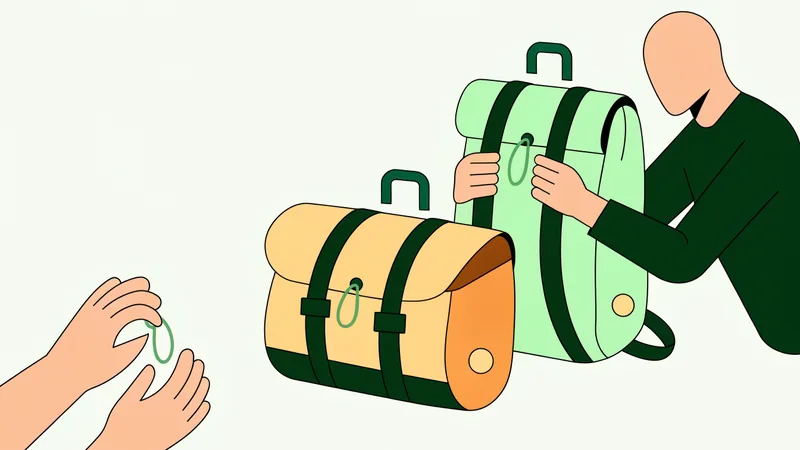
Cycling with a bag: backpack vs pannier vs messenger

For backpack vs pannier choices, favor a pannier when you want the load off your back and a backpack for frequent walking. Consider a cycling messenger when you prefer its single-strap arrangement and can secure it properly. Compare the complete route, including time off the bicycle.
Compare backpack vs pannier and messenger setups
Compare carrying arrangements first, then the specifications of particular bags. The following models illustrate the differences; they are not product recommendations or universal class standards.
| Attribute | Backpack example: Ortlieb Velocity 23 L | Pannier example: Ortlieb Back-Roller Pair | Messenger example: Chrome Citizen 24 L |
|---|---|---|---|
| Load position | Worn on the back | Mounted on the bicycle's rear rack | Body-worn with a single shoulder strap |
| Published capacity | 23 L | 20 L per bag; supplied as a pair | 24 L |
| Carrying attachment | Shoulder, sternum and waist straps | Quick-Lock2.1 rack attachment | Shoulder strap switches between left and right carry |
| Off-bike arrangement | Backpack straps and carrying handle | Included shoulder straps | Shoulder strap and top handle |
| Weather specification | IP64 with three to four closure rolls | IP64 with three to four closure rolls, secured downward | Maker describes weather-resistant construction |
| Body-contact feature | Foam-padded back | No bag against your back while rack-mounted | Evaluate the intended position against your body |
| Visibility planning | Reflective thread and optional light attachment | Check the loaded bike's light and reflector visibility | Front reflective panel specified for Black BXRF color |
Capacity figures belong to those models. A pannier category does not automatically offer more space than every backpack or messenger.
For sweat concerns, start with whether you want a bag against your back at all. A rack-mounted pannier leaves that area uncovered. Then assess your actual clothing, route and carrying preference without treating a bag category as a temperature guarantee.
The cycling bags overview covers other bicycle luggage arrangements.
Choose a backpack if walking is a major part of the trip
Choose this arrangement when you want to use the same carrying mode after locking the bicycle. Include the walk to your desk, public transport transfer or other off-bike activity in the comparison.
For the published example, Ortlieb lists shoulder straps, a sternum strap and a waist strap. These describe that pack's fitting components, not every backpack.
Use the candidate's instructions to fit its intended riding arrangement. With the bicycle stationary, adopt your normal riding position and assess whether you can move and look around as needed.
Keep the same necessary contents for the on-bike and walking trials. Note anything you must repack before the walking portion.
If back contact is the main issue you want to avoid, compare the pannier arrangement before making a different backpack your default. Do not choose solely from a photograph of the back panel.
Check where the full bag sits relative to your clothing and helmet. Resolve any interference before riding.
For a laptop commute, the daily laptop carrying guide helps define the protected equipment arrangement. Settle that packing requirement before comparing how it travels on the bike.
Choose a pannier if keeping the load off your body comes first

Choose a rack-mounted arrangement when you want the bag carried by the bicycle. Begin with the bicycle and rack compatibility information, rather than the bag's capacity alone.
Ortlieb's Back-Roller page requires checking secure attachment before riding and stowing loose carrying straps. Follow the instructions for the actual mounting system you use.
Obtain the bicycle, rack and pannier load information before packing. Do not treat the pannier's own allowance as permission to exceed another component's limit.
Ortlieb's Vario instructions specifically warn that panniers affect bicycle handling. Plan a controlled familiarization ride after fitting the approved setup.
Include removal and off-bike carrying in your decision. Try the complete loaded arrangement with the carrying method supplied or supported by its maker.
If you use more than one bicycle, make a separate compatibility record for each. Leave any unresolved mounting question visible in your notes rather than assuming the same hooks suit every rack.
For work equipment, include the padded laptop assembly and closure requirements in your packing trial.
Choose a messenger if you prefer its carrying arrangement
Choose a cycling-oriented messenger only after evaluating its intended fit and stability features with the load you need. Distinguish those features from the main shoulder strap.
For example, Timbuk2 describes a compatible cross strap used to stabilize its messenger bags while riding. Do not assume that component fits another maker's bag or is included with the messenger example in the table.
Use the bag's instructions to set up the supported riding position. Make adjustments while stopped, then assess access separately with the bicycle parked.
The crossbody strap length guide helps with the main strap's measurement. Treat any stabilizing strap as another component requiring its own instructions.
For your off-bike routine, try retrieving the same items you need from the other carrying styles. Include a coat and the complete daily kit.
NHTSA advises keeping both hands on the handlebars except when signaling. Stop before opening the bag or changing the carrying arrangement.
If you cannot obtain a secure, usable setup through the supported adjustments, return to the backpack or pannier comparison.
When the category matters less than the actual setup
Weather protection depends on the particular bag and closure. The examples above have different published descriptions, so compare those instructions rather than assigning one weather rating to an entire category.
The waterproof versus water-resistant guide explains the terminology. Keep the chosen compartment and closure method beside your equipment list.
Visibility also needs a complete-bike check. NHTSA recommends bright clothing, reflective gear, and appropriate lights and reflectors for darkness or poor visibility. Check the loaded arrangement before departure.
A reflective bag detail is one feature to evaluate alongside that guidance. Position the load so you can verify the visibility of your bicycle's equipment.
If your kit fits several categories, let the remaining route decide: mounting requirements, walking sections, preferred body contact and your supported carrying setup.
Make the final backpack vs pannier decision with the same contents and destination tasks. Add a messenger comparison when that is a carrying style you want to use.
Keep capacity, weather protection and secure attachment as separate decisions. Success in one column does not settle the others.
FAQ
Will a pannier stop my back from getting sweaty?
A rack-mounted pannier removes the bag from your back, which addresses bag contact there. It is not a guarantee about sweating or temperature. Use that practical difference when comparing arrangements, then consider the clothing, route and conditions you expect for your own journey.
Can I attach any pannier to any bicycle rack?
Check the exact mounting system against the rack and bicycle instructions. Ortlieb's Back-Roller uses a specified Quick-Lock system and requires secure attachment before riding. Record compatibility for each bicycle you intend to use rather than treating “pannier” as a universal attachment standard. Mounting guidance.
Is a messenger bag's stabilizer strap interchangeable between brands?
Use the compatibility information for the particular component and bag. Timbuk2 describes its cross strap for compatible Timbuk2 messengers. That description does not identify another brand's attachment system. Follow the bag maker's intended riding setup, and resolve missing compatibility information before assembling the carrying system. Component guidance.
Can a reflective bag replace my bicycle lights?
Plan visibility using NHTSA's guidance on clothing, reflective gear, and front and rear lighting and reflectors in darkness or poor visibility. Treat a reflective bag panel as one part of the arrangement. Check the loaded bicycle so the bag does not hide the equipment you depend on. Visibility guidance.